US strikes 3 alleged drug vessels and leaves survivors — now a search-and-rescue operation
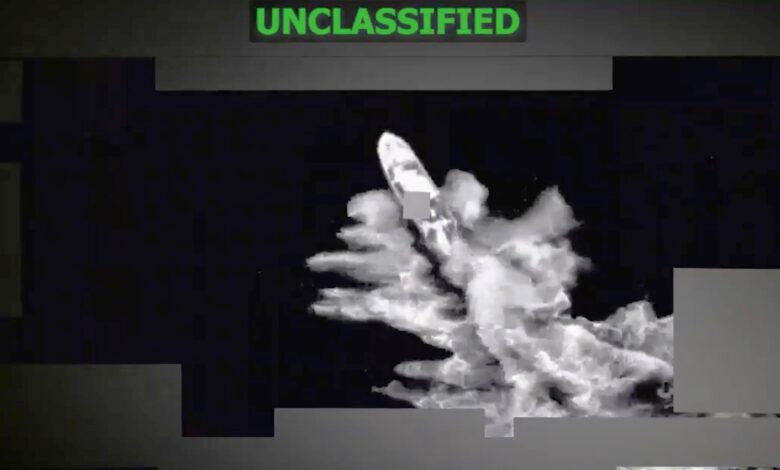
U.S. Southern Command recently carried out a targeted operation against three vessels traveling in a convoy in undisclosed international waters. The operation resulted in the elimination of three “narco-terrorists” aboard the first vessel, while the remaining suspects abandoned the other two vessels by jumping overboard to evade capture. The strikes took place on December 30th, as reported on X.
At least six individuals managed to survive the strikes, which occurred in the Eastern Pacific region according to a U.S. official. Following the incident, the U.S. Coast Guard was promptly alerted to initiate a search and rescue mission to locate and assist the survivors.
A search-and-rescue operation was promptly launched by the U.S. Coast Guard, with Coast Guard C-130 aircraft deployed for aerial support. The Coast Guard issued a distress signal to alert nearby vessels of the survivors in need of assistance.
The recent operation marks the 33rd strike in the ongoing U.S. military campaign targeting alleged drug traffickers in the Caribbean and Eastern Pacific regions since September. Military officials stated that the vessels targeted in the December 30th strikes were linked to designated terrorist organizations and had been involved in narcotics trafficking activities.
The U.S. military’s campaign has faced criticism, particularly after survivors of a previous strike on a drug vessel in September were reportedly killed in a subsequent series of attacks. In a separate incident in October, two survivors of a strike on a suspected drug-carrying submarine were returned to their respective countries for prosecution.
On October 27th, a mariner who was initially presumed dead managed to survive U.S. strikes, highlighting the complexities and controversies surrounding such military operations. The ongoing efforts aim to disrupt narco-trafficking activities in the region and enhance maritime security.