US talks pose ‘conundrum’ for Greenland, Denmark: Analysts
The United States is set to meet with Danish and Greenlandic officials in Washington, D.C., amidst President Donald Trump’s persistent interest in acquiring Greenland. The meeting, led by Danish Foreign Minister Lars Lokke Rasmussen and Greenlandic Foreign Minister Vivian Motzfeldt, aims to address the escalating tensions surrounding Trump’s desire to obtain the semi-autonomous Arctic territory.
Trump’s initial proposal to acquire Greenland was met with skepticism by Danish Prime Minister Mette Frederiksen, who dismissed the idea as “absurd.” However, Trump’s recent remarks have shown a more aggressive stance on the matter, prompting concerns among Danish and Greenlandic officials.
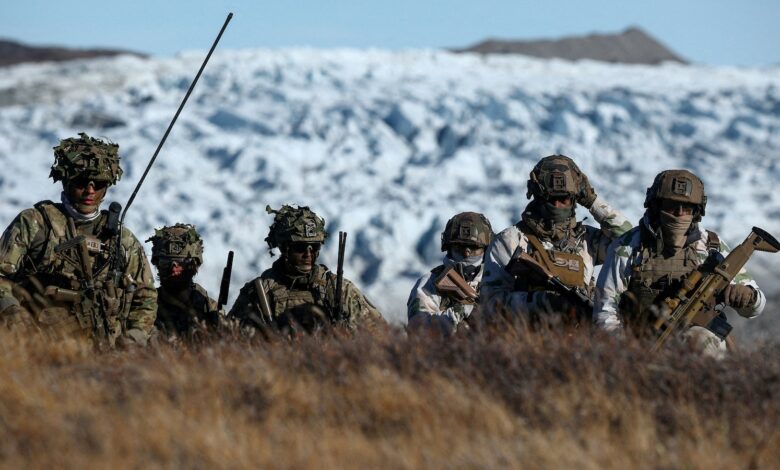
The discussions revolve around U.S. claims that acquiring Greenland is crucial for national security and countering Chinese and Russian influence in the Arctic region. Greenland, as a part of the Kingdom of Denmark, is covered by NATO’s collective defense clause and hosts a U.S. military base with around 150 American troops.
Despite Denmark’s efforts to strengthen its Arctic defenses and address U.S. criticism, Trump remains determined to acquire Greenland. He believes that U.S. ownership of the island is necessary to prevent Russia or China from asserting control.
The Danish and Greenlandic leaders have reiterated their opposition to any U.S. acquisition of Greenland, emphasizing their commitment to remaining part of the Kingdom of Denmark. They have also received support from other European leaders who share their concerns about the implications of such a move.
The ongoing discussions highlight the complex diplomatic challenges faced by both sides. Trump’s insistence on ownership poses a significant hurdle for negotiations, requiring careful navigation by Danish and Greenlandic officials to avoid escalating tensions.
To address Trump’s demands, possible compromises may involve commitments to enhance American military presence in Greenland, exploiting the territory’s mineral resources, or collaborating on Arctic security initiatives. However, finding common ground with Trump’s uncompromising stance presents a formidable challenge.
As the meeting unfolds, the focus remains on maintaining domestic unity, European solidarity, and support from NATO allies. The potential consequences of the Greenland acquisition on transatlantic relations have already strained sentiments in Denmark, a country with a longstanding commitment to NATO and strong ties with the U.S.
Ultimately, finding a resolution that satisfies all parties while preserving diplomatic relations and security interests will be a delicate balancing act. The outcome of the meeting will shape the future of U.S.-Greenland relations and have broader implications for international alliances in the Arctic region.