Using Helicopters And Chemical Agents, Immigration Agents Become Increasingly Aggressive In Chicago
CHICAGO (AP) — A recent operation by federal immigration agents in Chicago has sparked outrage and tensions in the city, with activists, residents, and leaders condemning the aggressive tactics used. Illinois Gov. JB Pritzker criticized the tactics, stating, “They are the ones that are making it a war zone.” The operation resulted in the arrest of more than 1,000 immigrants since it began last month.
The use of increasingly combative tactics, including storming an apartment complex by helicopter and deploying chemical agents near a public school, has raised concerns about the impact on neighborhood tensions. The Trump administration’s immigration crackdown in the Chicago area has also led to plans to deploy National Guard troops to boost deportations.
Despite the focus on immigrants, U.S. citizens, immigrants with legal status, and children have been among those detained in these encounters. The aggressive tactics have drawn criticism from various quarters, with calls for investigations and an end to immigration raids.
The operation in the South Shore neighborhood involved helicopters and unmarked trucks surrounding an apartment building. Residents reported being woken up and restrained with zip ties, including children and U.S. citizens. The use of military-style tactics on children has raised concerns and prompted calls for accountability.
While federal agents targeted connections to a gang, details on arrests and treatment of individuals, especially children, remain unclear. The use of tear gas and smoke bombs has escalated tensions, with reports of chemical agents being used in various operations across the city.
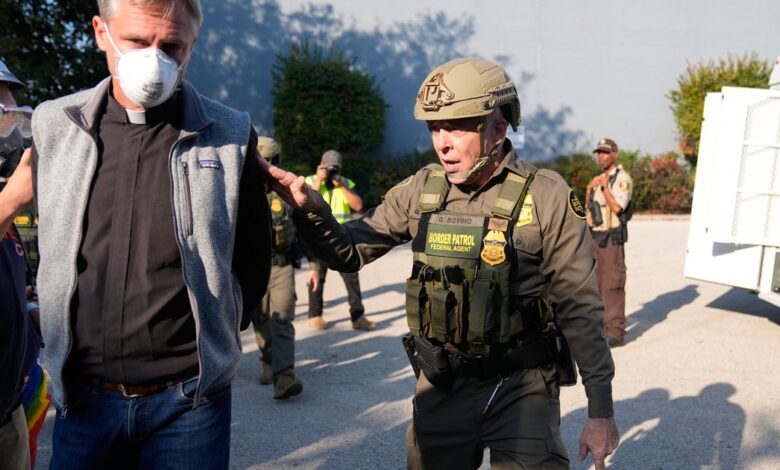
The aggressive tactics have also led to confrontations with city officials, including the handcuffing of an alderperson at a hospital. The actions of immigration agents have been described as invasive and disruptive, with concerns about violations of constitutional rights and basic liberties.
Leaders in a Chicago suburb have taken legal action against federal agents, challenging the placement of an immigration processing center in their community. Tensions have escalated, with protests and arrests becoming a daily occurrence, while civil rights organizations have criticized the aggressive tactics used by agents.
The ongoing legal battle and expected rulings on alleged violations highlight the complex and contentious nature of immigration enforcement in the region. Attorneys are seeking extensions and addressing concerns about how federal agents conduct arrests in compliance with consent decrees and legal standards.
Overall, the situation in Chicago reflects a broader national debate on immigration enforcement, civil liberties, and community safety. The impact of aggressive tactics on residents, families, and children underscores the need for a balanced and humane approach to immigration policy.