Utah Supreme Court blocks execution of Ralph Leroy Menzies who chose to die by firing squad
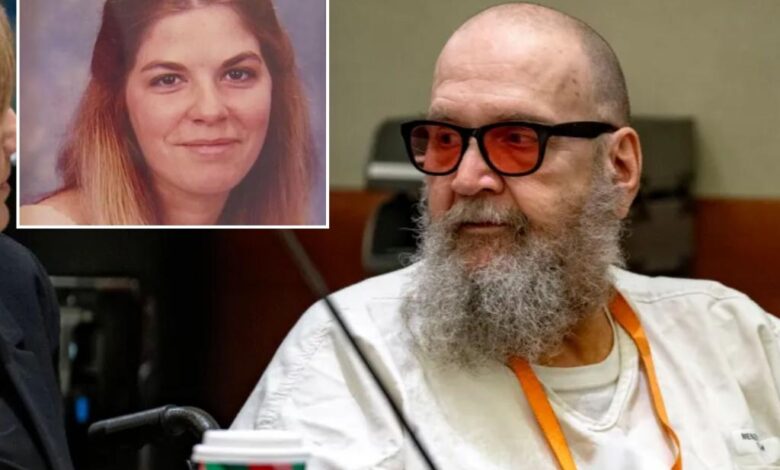
The Utah Supreme Court made a significant decision on Friday to block the impending execution of Ralph Leroy Menzies, a 67-year-old man who was set to be executed by firing squad on September 5. Menzies was convicted of abducting and killing Utah mother Maurine Hunsaker in 1986. Despite choosing a firing squad as his method of execution decades ago, his attorneys argued that he should be spared due to his dementia.
Menzies, who has spent 37 years on death row, has developed severe dementia to the point where he is now wheelchair-bound, dependent on oxygen, and unable to comprehend why he is facing execution. His lawyers initiated a new legal challenge in early 2024 to overturn his death sentence based on his deteriorating mental state. The Utah Supreme Court acknowledged Menzies’ allegations of a substantial change in circumstances and raised concerns about his competency. As a result, a lower court will now reevaluate Menzies’ ability to be executed.
While the court recognized the suffering of Maurine Hunsaker’s family, they emphasized the importance of upholding the rule of law. Menzies’ defense attorney, Lindsey Layer, highlighted the worsening of his dementia since his last competency evaluation over a year ago. Despite the court’s decision, Hunsaker’s family expressed their disappointment and requested privacy during this challenging time.
Notably, Menzies is not the first death row inmate to receive a dementia diagnosis while awaiting execution. In 2019, the US Supreme Court blocked the execution of Vernon Madison in Alabama, citing constitutional protections against cruel and unusual punishment for individuals with dementia. Madison, who murdered a police officer in 1985, passed away in prison in 2020.
The debate over executing individuals with severe mental illness or cognitive impairments has been ongoing. The Supreme Court has previously ruled against executing individuals who do not understand the reason for their death sentence, deeming it incompatible with societal retribution. While prosecutors argue that Menzies still has the mental capacity to comprehend his situation, defense experts contest this claim.
The tragic case of Maurine Hunsaker’s abduction and murder in 1986 continues to haunt her family and the Utah community. Her body was discovered with signs of strangulation and a slashed throat, sparking a nationwide outcry for justice. Utah’s last execution by lethal injection took place a year ago, while the use of firing squads has been rare in recent years.
Ultimately, Menzies’ fate hangs in the balance as the legal battle over his competency unfolds in the courts. The decision to spare him from execution underscores the complex ethical and legal considerations surrounding capital punishment, particularly for individuals with cognitive impairments. As the case progresses, the Utah Supreme Court’s ruling sets a precedent for how states handle executions involving individuals with dementia or other mental health conditions.