Vaccine guidance, insurance coverage, in ‘uncharted territory’

However, with the recent changes to the ACIP, this alignment between the CDC and professional organizations like the AAP is in jeopardy. The new members appointed to the ACIP have raised concerns among experts in the field, as many of them are known skeptics of mRNA vaccines and critics of COVID-19 vaccination efforts. This shift in the composition of the advisory panel has sparked fears of misinformation and unreliable vaccine recommendations.
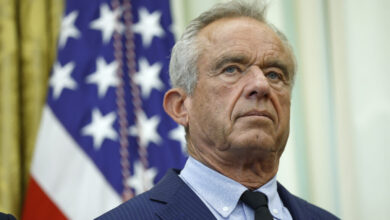
The appointment of Robert F. Kennedy Jr., a long-time vaccine critic, as the head of the Department of Health and Human Services has been a major factor in this upheaval. Kennedy’s decision to replace the entire ACIP with individuals who have questionable credentials and a history of vaccine skepticism has raised red flags in the medical community.
One particularly troubling development is Kennedy’s unilateral decision to rewrite COVID-19 vaccination recommendations without input from experts and in disregard of existing scientific evidence. This has led to confusion and uncertainty among healthcare providers and the general public, as well as concerns about the safety and efficacy of COVID-19 vaccines.
Despite the outcry from experts and public health officials, the newly constituted ACIP is set to meet for the first time this week. However, there are calls for the meeting to be postponed until a more experienced and balanced committee can be appointed. Senator Bill Cassidy, a pivotal figure in Kennedy’s confirmation as HHS secretary, has called for a delay in the meeting to ensure that the panel’s recommendations are based on sound science and expertise.
The uncertainty surrounding the future of the ACIP and the credibility of its recommendations has put the country in uncharted territory. The potential impact on vaccination policies, insurance coverage, and access to vaccines for children is a cause for concern among healthcare providers and public health advocates.
As the country navigates this unprecedented situation, it is crucial for healthcare providers to stay informed and rely on trusted sources of information when making vaccination recommendations. The future of vaccination policy in the United States hangs in the balance, and it is up to experts and advocates to ensure that science-based decision-making prevails.
“But what we’re saying is that we are going to do everything we can to make sure that they understand the importance of these vaccines, and that the science behind them is solid and should be trusted.”
Ultimately, the future of vaccine recommendations and coverage remains uncertain as the landscape of public health policy continues to evolve. With potential changes in how vaccines are recommended and endorsed, organizations like the ACIP play a crucial role in shaping the nation’s immunization strategy. As stakeholders navigate this shifting terrain, ensuring access to accurate and evidence-based information will be essential in maintaining public trust and confidence in vaccination efforts.
With the decline in vaccination rates, Romero fears a resurgence of these preventable diseases, along with others like measles, mumps, and rubella. The consequences of these diseases can be severe, leading to hospitalizations, long-term health complications, and even death. Romero emphasizes the importance of vaccination in preventing these diseases and protecting public health.
As the new ACIP reviews and potentially changes existing vaccine recommendations, the implications for public health are significant. The decisions made by this committee will impact vaccination rates, access to vaccines, and ultimately the health of individuals and communities across the country.
It is crucial that the recommendations put forth by the ACIP are based on the best available science and evidence. Seeking input from a diverse group of experts and conducting thorough reviews of data are essential steps in ensuring that vaccine recommendations are sound and effective.
As the future of vaccine recommendations in the U.S. unfolds, it is important for policymakers, healthcare providers, and the public to stay informed and engaged in the process. The decisions made by the ACIP will have far-reaching effects on public health, and it is imperative that these decisions are made with the utmost care and consideration for the well-being of all individuals.
Ultimately, the goal of vaccination recommendations is to protect individuals from preventable diseases and safeguard public health. By following the best available science and expert guidance, the ACIP can help ensure that vaccines remain a vital tool in promoting health and preventing the spread of infectious diseases.
The introduction of an effective Hib vaccine has significantly reduced the incidence of severe manifestations of Haemophilus influenzae type b, a disease that once plagued children and led to hospitalizations. Dr. Romero, a resident at the time, witnessed the impact of the vaccine as the disease became rare, thanks to widespread vaccination efforts.
However, despite the success of the Hib vaccine, the threat of diseases like pertussis still lingers. These illnesses, though kept at bay by vaccines, have not been completely eradicated. Dr. Romero emphasizes that these diseases are still present in our communities and can quickly resurface if vaccination rates decline.
It is crucial for the public to understand that diseases like Hib and pertussis have not disappeared; they are merely controlled by vaccines. Stopping vaccination efforts could lead to a resurgence of these illnesses, putting children at risk once again.
In conclusion, the importance of continued vaccination efforts cannot be overstated. These vaccines have proven to be effective in preventing serious illnesses and saving lives. It is essential for parents to follow recommended vaccination schedules to protect their children and the community as a whole. Let us not forget the lessons learned from past outbreaks and ensure that we remain vigilant in our efforts to prevent the return of these dangerous diseases.