Vaccines’ indirect benefits overlooked in battle over ‘medical freedom’
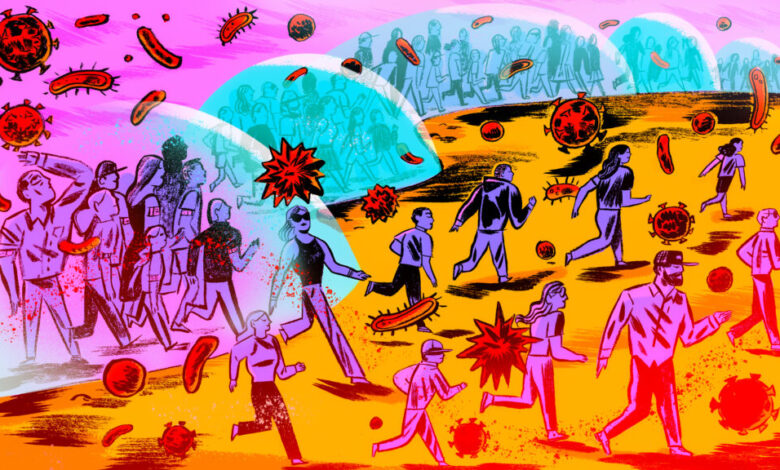
The importance of vaccines and the benefits they bring to public health cannot be understated, especially in the face of growing skepticism and backlash against immunizations. With figures like health secretary Robert F. Kennedy Jr. leading the charge for “medical freedom” and individual autonomy in vaccine decisions, it is crucial to highlight the wider implications of vaccination on society as a whole.
While some critics focus on perceived safety risks of vaccines, experts emphasize the indirect benefits that widespread immunization can bring. Take the example of the HPV vaccine, which not only protects individuals from certain cancers but also contributes to a decrease in cancer rates among the population at large, including men. This highlights the importance of looking beyond personal concerns to recognize the broader advantages of vaccination.
Certain vaccines, like those for rubella and pneumococcal disease, offer both individual and community protection. Vaccinating children against rubella, for instance, not only shields them from the disease but also prevents devastating outcomes in pregnancies, such as miscarriages and birth defects. Similarly, the introduction of the pneumococcal vaccine led to a significant decline in illness rates among all age groups, showcasing the far-reaching benefits of immunization.
The chickenpox vaccine is another example of how preventing a childhood illness can have long-term benefits. By vaccinating children against chickenpox, parents are not only sparing them from the discomfort of the disease but also reducing their risk of developing shingles later in life. This underscores the interconnected nature of vaccine-preventable diseases and the importance of taking a proactive approach to safeguarding health.
Moreover, vaccines against diseases like measles and meningococcal B play a crucial role in protecting vulnerable populations, such as immunocompromised individuals. As measles outbreaks continue to pose a threat, maintaining high vaccination rates is essential to prevent serious complications in at-risk groups. Additionally, emerging evidence suggests that vaccines may offer unexpected benefits, such as a potential reduction in the risk of developing dementia in older adults who receive the shingles vaccine.
Overall, the societal benefits of vaccination extend far beyond individual protection, encompassing economic productivity, healthcare resource utilization, and the prevention of disease transmission. By understanding and appreciating the wider impact of vaccines, we can work towards ensuring a healthier future for all members of society.