Van Jones Apologizes for His Comment About Children in Gaza
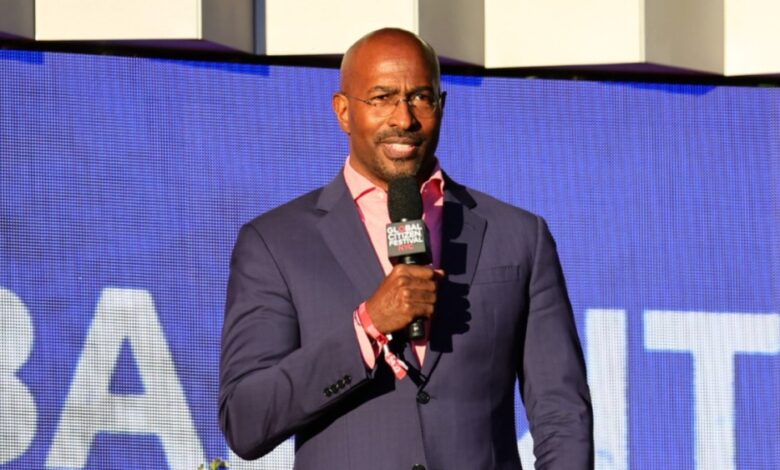
CNN political analyst Van Jones issued a heartfelt apology on Sunday for his insensitive comments about children in Gaza during his appearance on “Real Time With Bill Maher.” In a tweet, Jones expressed deep regret for his remarks, acknowledging that the suffering of the people of Gaza, especially the children, should never be trivialized. As a father himself, he empathized with the pain and anguish experienced by the families in Gaza who are unable to protect their children from harm.
Jones emphasized his commitment to advocating for an immediate end to the war in Gaza and working towards peace and safety for all those affected by the conflict. He conveyed his sincere apologies to those who were hurt by his words, recognizing that they added further pain to an already devastating situation.
During his appearance on “Real Time,” Jones made a comment about the prevalence of distressing images on social media related to the Israel-Palestine conflict, which sparked controversy. He referred to a disinformation campaign allegedly orchestrated by Iran and Qatar on platforms like TikTok and Instagram, highlighting the graphic nature of the content circulating online. This remark drew criticism for its insensitivity towards the human cost of the conflict.
The ongoing war in Gaza has garnered significant attention in Hollywood, prompting divisive reactions within the industry. In a notable move, over 3,900 industry figures, including Emma Stone, Olivia Colman, and Mark Ruffalo, pledged to boycott collaborations with Israeli film companies that they believed were complicit in whitewashing or justifying genocide and apartheid.
Conversely, a group of 1,200 Hollywood names, such as Liev Schreiber, Mayim Bialik, and Debra Messing, signed an open letter condemning the boycott of Israeli film institutions. They argued that silencing voices and limiting artistic expression hindered efforts to foster understanding and promote dialogue in a conflicted region.
The conflicting perspectives within the entertainment industry reflect the broader complexities of the Israel-Palestine conflict, showcasing the diverse opinions and approaches taken by individuals and groups in addressing the ongoing crisis.
Overall, Van Jones’ apology serves as a reminder of the importance of sensitivity and empathy when discussing humanitarian crises, urging for respectful dialogue and concerted efforts towards peace and reconciliation in conflict-ridden regions like Gaza.