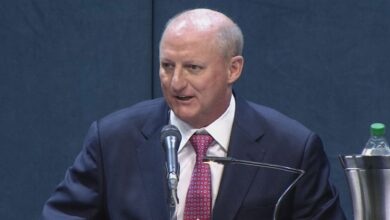
Waller, in the running for chair, says Fed should cut in September
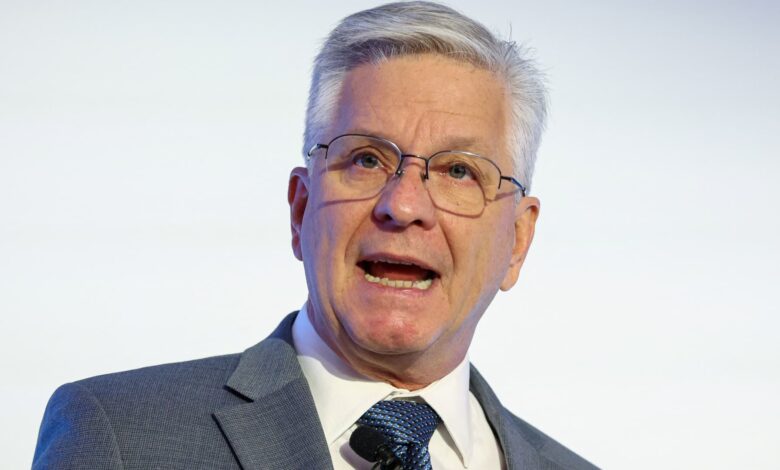
Federal Reserve Governor Christopher Waller recently expressed his support for initiating a cycle of rate cuts in the upcoming weeks, emphasizing the need for flexibility in adjusting the pace of these cuts in response to changing economic conditions. Waller, who is being considered as a potential successor to current Fed Chair Jerome Powell in 2026, made these remarks during an interview on CNBC’s “Squawk Box.”
Waller highlighted the importance of being proactive in addressing concerns about the labor market, noting that when conditions deteriorate, they do so rapidly. He advocated for starting the rate-cutting process at the next meeting, rather than following a predetermined sequence of steps. Waller acknowledged that while some are concerned about tariff-related inflation, he personally does not share those worries.
As one of the dissenting voices in the July Federal Open Market Committee decision to maintain the benchmark interest rate, Waller suggested that multiple rate cuts may be necessary in the coming months. He believes that current interest rates are significantly above their “neutral” level by 1.0 to 1.5 percentage points, indicating room for adjustment.
Looking ahead, Waller hinted at the possibility of seeing several rate cuts over the next three to six months, depending on the evolving economic data. Despite acknowledging the negative impact of tariffs on consumer spending and economic growth, he stopped short of forecasting a recession in the near future.
The Fed’s upcoming policy meeting, scheduled for September 16-17, will provide further insights into the central bank’s monetary policy stance. While declining to comment on recent attempts to remove fellow Fed Governor Lisa Cook, Waller emphasized the critical importance of Fed independence. He reassured that the central bank will continue to uphold its independence, regardless of the leadership changes.
In conclusion, Waller’s remarks underscore the challenges facing the Federal Reserve in navigating a complex economic landscape. As the central bank weighs the need for rate cuts against broader economic uncertainties, Waller’s call for flexibility and independence serves as a guiding principle for future policy decisions.