Walmart is poised to be a holiday season winner
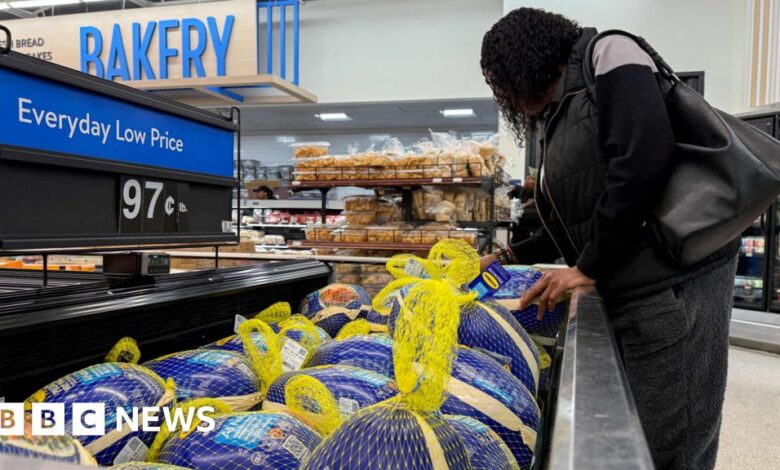
Walmart’s Dominance in the US Retail Sector Sets it Up to be a Holiday Season Winner
US retailers are facing uncertainty as they head into the crucial holiday season amidst consumer angst. However, Walmart stands out with its unwavering confidence and dominance in the retail sector.
While many stores are apprehensive about their year-end sales, Walmart’s stronghold in the US retail market positions it as a potential holiday season champion, attracting both low and high-income shoppers amid an uncertain economic landscape.
On Thursday, the retail giant reported US sales that surpassed analysts’ expectations, increasing by 4.5% in the three months leading up to October 31st. Walmart now anticipates a higher profit for the year, citing success in outperforming competitors for consumers’ limited budgets and a positive holiday sales forecast.
Walmart projects annual net sales to grow by 4.8% to 5.1%, up from the earlier forecast of 3.75% to 4.75% sales growth. As the largest retailer in the US known for its competitive prices, Walmart experienced robust sales across its main sectors in the recent quarter, including groceries and clothing. E-commerce sales in the US surged by 28%, driven by online orders and advertising.
Despite a slight slowdown in spending among lower-income shoppers, Walmart executives highlighted sustained robust spending among Americans across all income brackets, particularly among wealthier consumers. This trend mirrors the growing economic disparity in the US, with lower-income consumers cutting back while higher-earning individuals continue to drive spending and economic growth.
“Walmart is better insulated than just about anybody given the value proposition we have,” stated Walmart’s chief financial officer, John David Rainey, during an analyst call. Following the quarterly report, Walmart’s shares surged by over 6% in Thursday morning trading.
Retail analyst Hitha Herzog noted that higher earners significantly contributed to Walmart’s margin growth. By adjusting prices strategically, Walmart expanded its margins without alienating budget-conscious customers. Additionally, Walmart executives mentioned that the impact of President Donald Trump’s tariffs has been less severe than initially anticipated. The administration’s decision to rollback tariffs on over 200 food products was welcomed by Walmart as a beneficial move for consumers.
Navigating through tariffs has been a challenge for many retailers, but Walmart’s scale has enabled it to mitigate the impact better than its competitors. Through vendor negotiations and supply chain flexibility, Walmart has successfully offset the effects of tariffs, according to retail analyst David Silverman from Fitch Ratings.
Costco and Amazon are also poised to excel in the volatile retail sector environment due to their scale and infrastructure, allowing them to maintain low prices and attract cost-conscious shoppers. Amazon reported a 13% increase in sales in October, driven by strong online consumer spending.
The positive earnings and optimistic holiday outlook from Walmart contrast recent reports from other retail rivals like Target, Home Depot, and Lowe’s. Target reported a decline in quarterly sales and revised its profit projections downward due to company-specific challenges. Similarly, Home Depot and Lowe’s lowered their full-year profit outlooks citing weak consumer spending and a sluggish housing market.
In conclusion, Walmart’s resilience, strategic pricing, and successful navigation of tariffs position it favorably for a successful holiday season. As the retail landscape continues to evolve, Walmart’s dominance and adaptability set it apart as a frontrunner in the competitive market.