Warm weather and low snowpack bedevil Western ski resorts
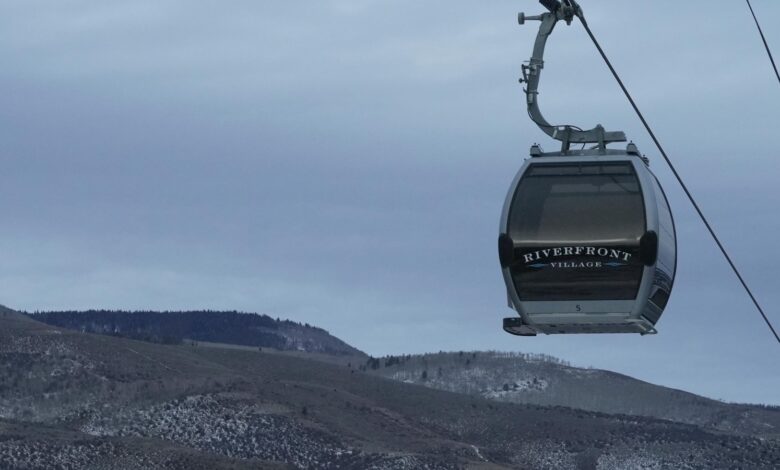
The Western United States is facing a challenging winter season as ski resorts struggle to open runs and attractions like ice palaces are put on hold due to unseasonably warm weather. In contrast, the Midwest and Northeast have seen record snowfall, providing a winter wonderland for skiers.
In the Western mountains, where snow is essential for ski tourism and water supply for agriculture and daily needs, snowpack levels are well below average. This lack of snow has impacted ski resorts in places like Lake Tahoe, where only a small percentage of lifts are open and snow depths are significantly lower than usual.
Warm temperatures have also affected winter attractions, such as the Midway Ice Castles in Utah, which have been postponed indefinitely due to the lack of cold weather needed to freeze water into building-size structures. In Colorado, the owner of Bearcat Stables is offering wagon rides instead of sleigh rides due to the lack of snow.
In the Northwest, torrential rain has caused flooding and road damage, affecting access to ski resorts in Washington state. Oregon, Idaho, and western Colorado have experienced the slowest start to snow accumulation in decades, with warm temperatures hindering snowfall.
The impact of the warm weather extends beyond recreation, affecting water supply and agriculture in the region. Climate scientists warn that limiting global warming is crucial to reversing the trend of decreasing snowfall in the West.
In the Northeast, below-normal temperatures have brought abundant snowfall, providing excellent skiing conditions in states like Vermont and New Hampshire. Ski resorts in these areas have seen a significant increase in snowfall compared to previous years.
While the outlook for snow in the West remains uncertain, there is still hope for a turnaround with the potential for significant snowfall in the long-term forecast. As communities across the Western United States navigate the challenges of a warm winter season, the importance of snowpack and sustainable water management is more apparent than ever.