Weekend habits linked to new sleep disorder trend: ‘Social apnea’
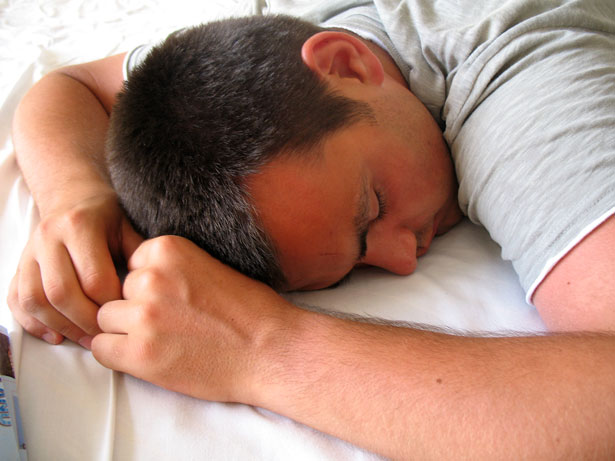
Sleep is an essential aspect of overall health and well-being, yet many people unknowingly put themselves at risk of a newly identified sleep health concern known as “social apnea.” Researchers from Flinders University have discovered that late nights, alcohol consumption, and irregular sleep patterns on weekends can exacerbate Obstructive Sleep Apnea (OSA) severity, leading to potential health risks.
The study, published in the American Journal of Respiratory and Critical Care Medicine, analyzed data from over 70,000 individuals worldwide and found a significant increase in OSA severity on weekends. This phenomenon, termed social apnea, highlights the impact of lifestyle choices on sleep health.
Lead author Dr. Lucia Pinilla explains that the weekend surge in sleep-disordered breathing can increase the risk of serious health conditions such as heart disease, depression, dementia, extreme fatigue, and accidents. The study revealed that participants were 18% more likely to experience moderate to severe OSA on weekends compared to mid-week days.
Changes in sleep schedules, such as staying up late or sleeping in on weekends, were found to worsen sleep apnea. Additionally, sleeping an extra 45 minutes or more on weekends increased the risk of worse sleep apnea by 47%. Men were more affected than women, and younger adults had a higher risk compared to older individuals.
Professor Danny Eckert, Director of FHMRI Sleep Health, emphasizes the importance of multi-night sleep assessments and personalized approaches to diagnosis and treatment. He recommends maintaining a regular sleep routine, getting the recommended 7-9 hours of sleep each night, and using prescribed OSA therapy consistently, even on weekends.
The study also explored seasonal variability in OSA severity, with findings suggesting that factors such as ambient temperature can impact sleep quality and exacerbate sleep apnea. These insights highlight the need for a comprehensive understanding of sleep disorders and the importance of proactive sleep management.
In conclusion, OSA is a prevalent sleep disorder that can have serious health implications if left untreated. People concerned about their sleep should consult with their healthcare provider for guidance and support. By addressing lifestyle factors that contribute to social apnea and adopting healthy sleep habits, individuals can improve their overall sleep quality and reduce the risk of sleep-related health issues.