What closing the ‘THC loophole’ will mean for patients
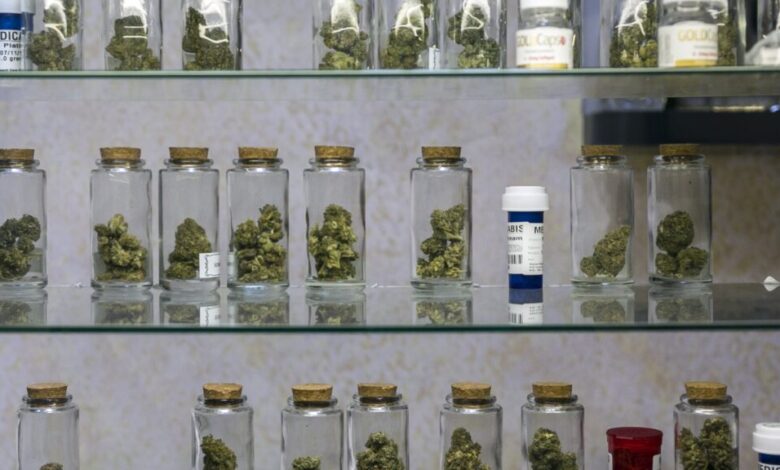
In the mid-2010s, families from various parts of the country made the decision to relocate to Colorado, not for its scenic outdoor adventures or renowned craft beer, but for a different reason altogether. They were drawn to the state due to its groundbreaking legal marijuana laws, which granted access to cannabis-derived products that were deemed essential for their health or the health of their loved ones.
As the landscape of marijuana laws evolved, with medical marijuana now legalized in 40 states and recreational use allowed in 24 states, Colorado’s status as a sanctuary for families dealing with epilepsy in children or chronic pain in adults has diminished. However, the recent passing of legislation that closes the “hemp loophole” has sparked concerns among advocates, potentially jeopardizing access to products that are considered vital for overall well-being.
Joel Stanley, CEO of Ajna BioSciences, emphasized the significance of these products for many families, stating that traditional treatments have often proven ineffective. The debate surrounding hemp products highlights the growing importance of cannabis in health policy discussions, not only in terms of potential risks but also in terms of its role in maintaining the well-being of many individuals.
The new legislation aims to eliminate the loophole that allowed for the sale of intoxicating THC products, reverting to a time when all forms of marijuana were considered illegal. This move could also impact non-intoxicating CBD products, raising concerns about access for consumers across the nation, especially in states without established regulatory frameworks for marijuana.
While federal law enforcement has shown little interest in cracking down on cannabis businesses in states where marijuana is legal, the closure of the hemp loophole could disrupt the availability of marijuana-related products through both physical stores and online platforms. This change may disproportionately affect consumers in states that have not embraced marijuana legalization.
Despite the potential drawbacks of unregulated hemp-derived products, some experts argue that the 2018 loophole led to an unsustainable environment that required legislative intervention. Dr. Peter Grinspoon highlighted the dangers of unregulated products, citing instances of mislabeling and contamination. However, he acknowledged the significant benefits that many individuals have experienced from using these products for various health conditions.
The decision to close the hemp loophole came as a surprise to many in the industry and reflects a broader debate within the political sphere. While there are concerns about bad actors in the industry, there is also recognition of the positive impact that regulated cannabis products have had on individuals’ lives. The potential repercussions of the new legislation include driving consumers back to the illicit market and diverting profits away from legitimate businesses.
Ultimately, the closure of the hemp loophole underscores the complex interplay between federal and state laws regarding marijuana regulation and access to cannabis-derived products. As discussions continue, the future of the cannabis industry remains uncertain, with potential implications for individuals who rely on these products for their health and well-being.