What Do CTOs Need To Know About Digital Twin Technology?
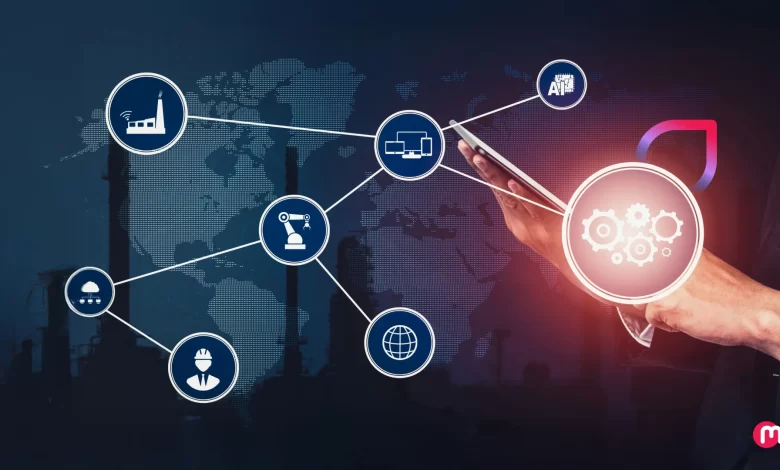
Digital twin technology is revolutionizing the way businesses operate, offering a virtual replica of physical systems, objects, people, or processes. By leveraging IoT sensors, AI, Extended Reality (XR), and cloud computing, digital twins collect real-time data to reconstruct digital replicas. This technology is being applied across various industries, such as smart cities, healthcare, automotive, and more, to enable real-time monitoring and optimization.
As a CTO, understanding digital twin technology is crucial for steering your business in the right direction. Digital twins enable businesses to anticipate future scenarios, plan accordingly, and maximize efficiency. This article explores the core aspects of digital twins, real-life use cases, tech selection, and implementation strategies for CTOs looking to leverage this transformative technology.
Key Takeaways:
– Digital twins integrate real-time IoT data, AI, and analytics for continuous feedback loops.
– Data acquisition, modeling, and application are essential aspects of digital twins.
– CTOs play a crucial role in aligning digital twin initiatives with business objectives.
– Real-life examples, such as Mater Private Hospital and BMW, showcase the benefits of digital twin adoption.
– Robust tech stack including IoT sensors, middleware, AI/ML, visualization tools, and cloud/edge computing is essential for digital twin implementation.
What Is Digital Twin Technology?
Digital twins are virtual replicas of physical products, processes, assets, or systems, contextualized in a digital environment. They gather real-time data from physical assets through IoT sensors to simulate, monitor, and optimize processes in an organization. By running ‘what if’ scenarios, businesses can gain valuable insights, maximize efficiency, and predict the life of components or products.
Why Do CTOs Need to Know About Digital Twin Technology?
For CTOs, digital twin technology is not just a trend but a strategic enabler of predictive intelligence, innovation, and operational efficiency. Understanding how digital twins can shape the future of tech strategy is essential for maximizing business initiatives.
Core Aspects of Digital Twins:
– Data Acquisition: Gathering real-time data from physical assets using IoT sensors.
– Data Modeling: Developing digital representations to mimic the behavior of physical assets.
– Data Application: Using AI, ML, and analytics to analyze data insights for performance optimization.
Digital Twin Vs Simulations: How Are They Different?
Digital twins differ from simulations in scalability, real-time data utilization, and the ability to study issues from multiple viewpoints. Unlike simulations, digital twins leverage real-time data and provide a two-way flow of information for enhanced insights.
CTO’s Roles And Responsibilities In Digital Twins Development:
– Aligning digital twin initiatives with business objectives.
– Forecasting industry trends and evaluating emerging technologies.
– Cultivating innovation, leading teams, and overseeing technical development.
– Ensuring data governance, security, and driving organizational readiness.
– Stakeholder communication and advocacy for digital twin adoption.
Real-Life Examples of Successful Digital Twin Implementation:
– Healthcare: Mater Private Hospital’s Medical Imaging.
– Automotive: BMW’s Smart Manufacturing.
How to Select the Right Tools and Technologies for Digital Twin Application:
– Data Collection & IoT Devices.
– Integration Platforms and Middleware.
– Data Analytics and Visualization Software.
– Simulation Software and Modeling Tools.
– Cloud Solutions and Storage.
– Security Technologies.
Employ MindInventory to Deploy Robust Digital Twin Solutions:
MindInventory offers comprehensive digital twin software development services, helping businesses leverage the potential of digital twin technology. With expertise in IoT integration, data synchronization, and cloud deployment, MindInventory can assist in building robust digital twin solutions tailored to your business needs.
FAQs on Digital Twins:
– Four types of digital twins include component twin, product digital twin, system twin, and process digital twin.
– Digital twins rely on real-time data for accuracy and predictive analysis.
– Implementation time and cost vary based on scope, complexity, and technology selection.
In conclusion, digital twin technology is transforming businesses across industries, offering real-time monitoring, optimization, and predictive insights. As a CTO, understanding digital twins and their implementation strategies is crucial for driving business growth and innovation. Partnering with a reliable digital twin development company like MindInventory can help businesses deploy robust digital twin solutions and stay ahead of the curve in the digital era.