What does a hot dog eating contest do to your stomach? Experts detail the health effects of competitive eating.
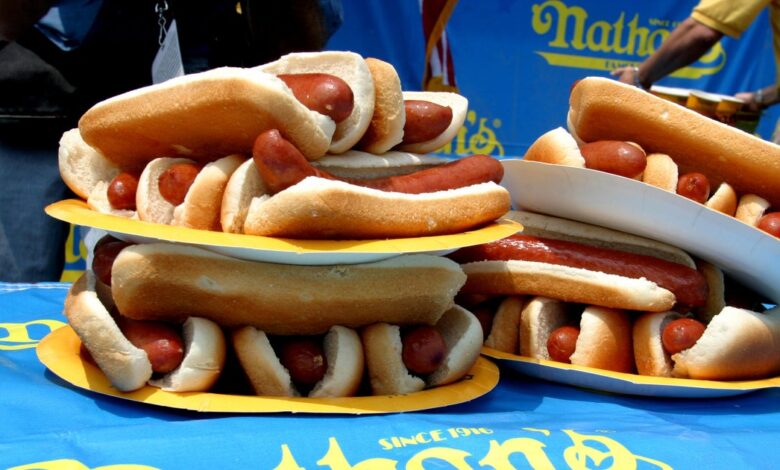
Competitive eating is a unique sport that has gained popularity over the years, with champions like Joey Chestnut dominating the scene. Chestnut, known for his ability to gulp down dozens of hot dogs in record time, has set and broken his own world records at events like the Nathan’s Famous Hot Dog Eating Contest. While the thrill of competition and the glory of victory may be enticing, the long-term impacts of such extreme eating habits remain largely unknown.
One of the main concerns raised by health experts is the potential impact on the stomach of competitive eaters. A study conducted at the University of Pennsylvania in 2007 shed some light on the effects of speed-eating on the stomach. The study compared a control subject to a competitive speed eater and found that the eater’s stomach was capable of expanding significantly to accommodate more food. This ability to relax the stomach muscles and ingest large quantities of food can lead to permanent stretching of the stomach and affect gastric emptying.
In addition to the physical strain on the stomach, competitive eating can have other adverse effects on the body. Participants often report feeling extremely bloated, tired, and experience gastrointestinal distress after competitions. The high sodium content of foods like hot dogs can lead to increased blood pressure and kidney function issues. Excessive sodium intake can also cause cardiovascular problems like heart attacks and strokes.
Moreover, the large quantities of fat and carbs consumed during competitions can lead to nausea, diarrhea, and gastrointestinal discomfort. While the body can adapt and regulate back to normal after a competition, there are still risks involved. Competitors who vomit during or after a contest face the danger of aspirating or tearing the lining of their esophagus, which can have serious consequences.
Despite safety measures put in place by organizations like Major League Eating, including having medical teams present at events, the inherent risks of competitive eating remain. Tragic incidents, such as choking or asphyxiation during eating contests, have led to fatalities in the past. It is crucial for competitors and organizers to prioritize safety and well-being to prevent such incidents from occurring in the future.
In conclusion, while competitive eating may be a thrilling and entertaining sport, it is essential to be aware of the potential health risks associated with extreme eating habits. The long-term impacts on the body, especially the stomach and cardiovascular system, are still not fully understood. Competitors and organizers must take precautionary measures to ensure the safety and well-being of all participants in these events.