What Drives the Price of Gold?
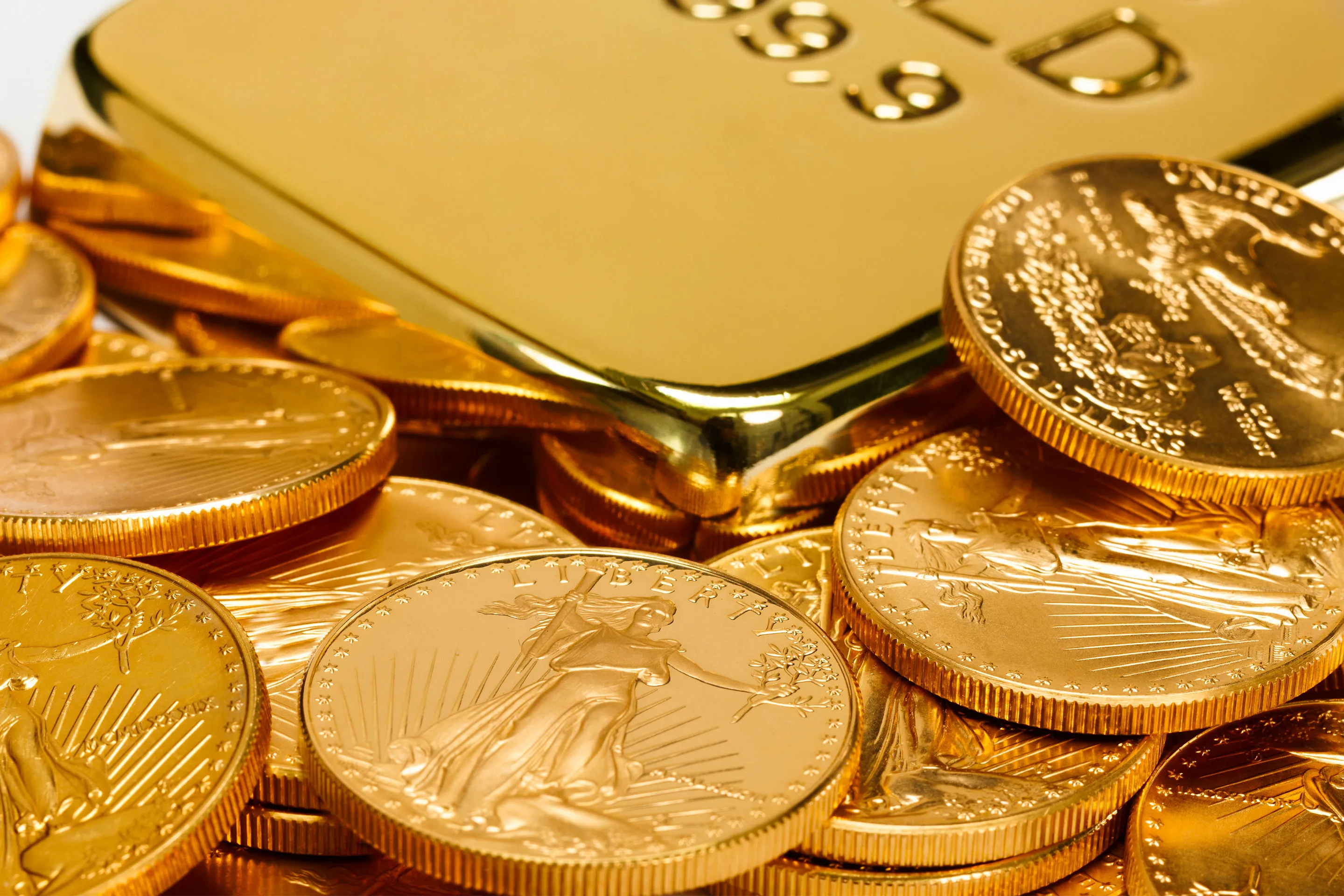
Gold has long been considered a safe-haven asset, with its price historically holding up well during times of high inflation, market volatility, and geopolitical uncertainty. Many investors turn to gold as a way to protect their wealth, and those who held gold in their portfolios were rewarded in late 2025 when the price of gold surged to all-time highs. In early 2026, gold reached a record high of nearly $5,600 per ounce, highlighting its value as a store of wealth.
Understanding the factors that influence the price of gold is crucial for investors looking to invest in this precious metal. Various economic factors play a role in determining gold prices, with the value of the U.S. dollar being a significant factor. Gold is priced in U.S. dollars, and its value often has an inverse relationship with the value of the dollar. When the dollar weakens, investors can buy less gold per dollar, leading to an increase in the price of gold. Additionally, during periods of high inflation, gold tends to remain stable or increase in price, further solidifying its status as a safe-haven asset.
Demand for gold also plays a crucial role in influencing its price. Gold has a diverse base of demand from consumers, investors, and institutions. Factors such as jewelry-driven demand, demand from gold exchange-traded funds (ETFs), central bank buying, and demand for industrial applications can impact gold prices. Central banks, in particular, have been increasing their investment in physical gold as a hedge against economic uncertainties and geopolitical tensions.
Gold production is another key factor that affects its price. As a finite resource, prospecting and mining for physical gold are becoming more challenging and expensive. With demand outpacing supply, the price of gold is expected to increase in the long term. Interest rates also play a role in determining gold prices, with a historical inverse relationship between the two. Geopolitical factors can also influence gold prices, as investors often turn to gold during times of conflict to protect their investments.
The price of gold is determined by various factors, with the London Bullion Market Association (LBMA) publishing gold prices twice a day through the ICE Benchmark Administration (IBA). The IBA sets gold spot prices based on supply and demand and the gold futures derivative markets. While gold may experience some volatility in the short term, it is generally considered a safe investment for protecting long-term funds.
In conclusion, the price of gold is influenced by a combination of economic factors, demand dynamics, and geopolitical events. Investing in gold can provide diversification, hedge against inflation, and offer a stable asset during times of uncertainty. Understanding these factors can help investors make informed decisions when considering gold as part of their investment portfolio.