What experts say CDC vaccine panel missed on hepatitis B shots
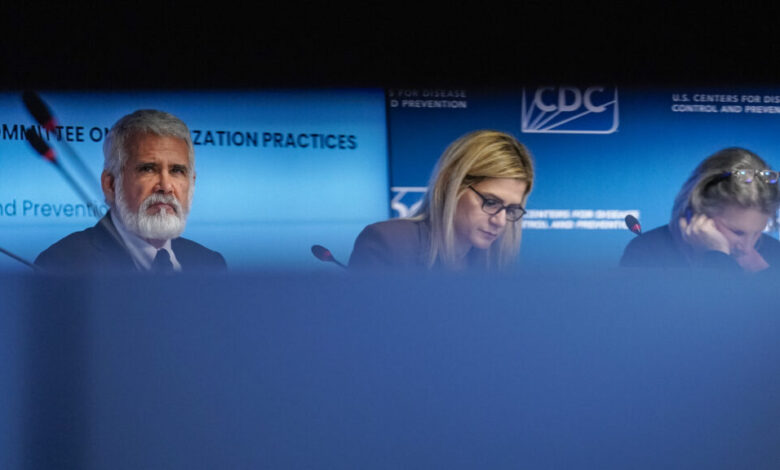
The recent decision by the Advisory Committee on Immunization Practices to overturn a 30-year recommendation for universal hepatitis B vaccination at birth has raised significant concerns among experts in the field. The committee’s lack of consideration for the potential repercussions of their decision has left many questioning the impact it could have on public health.
The new recommendations suggest that babies born to mothers who test negative for hepatitis B during pregnancy do not need to receive the vaccine at birth. Instead, parents are advised to discuss vaccination with their healthcare providers and consider starting the process after the baby is 2 months old. Additionally, the committee recommended that parents who choose to vaccinate their children against hepatitis B should inquire about conducting a blood test after the first dose to determine if one dose may be sufficient.
However, critics argue that the committee failed to take into account the implications of their decisions on vaccine delivery. By disregarding the importance of combination vaccines, which offer protection against multiple diseases in a single shot, the committee may inadvertently create challenges for parents who wish to forgo hepatitis B vaccination or minimize the number of doses their children receive.
Experts warn that limiting access to combination vaccines could lead to confusion for parents and potentially result in an increase in children missing out on crucial vaccinations. The market for monovalent vaccines, which protect against single diseases like hepatitis B, may not be equipped to meet the heightened demand if parents opt out of certain vaccines. This could have a cascading effect on the availability of other essential vaccines and ultimately impact public health outcomes.
The decision to reconsider the hepatitis B vaccination policy was driven by concerns raised by some parents, rather than new evidence questioning the vaccine’s efficacy or safety. Infectious disease specialists emphasize the importance of the birth dose in preventing hepatitis B infection in infants and averting serious health complications. The ACIP’s decision to prioritize parental preferences over established public health practices has sparked criticism from medical organizations and experts in the field.
As the healthcare community grapples with the implications of the ACIP’s decision, it is evident that a more comprehensive and evidence-based approach is needed to ensure the continued success of vaccination programs. The lack of consideration for the broader impact of vaccine policy changes highlights the importance of maintaining rigorous scientific review processes and engaging stakeholders in decision-making. Only by addressing these concerns can we safeguard public health and promote vaccination as a crucial tool in disease prevention.