What Happens After The Championship? The Silent Struggle In Pro Sports
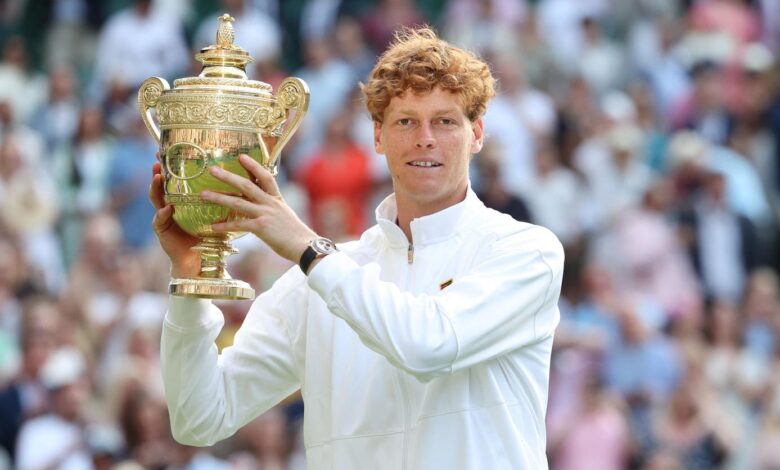
In addition to self-awareness, having a strong support system is crucial for athletes dealing with post-competition blues. Family, friends, coaches, and mental health professionals can all play a role in helping athletes navigate the emotional rollercoaster that comes after a big win. Seeking therapy or counseling can also be beneficial in processing the complex emotions that come with achievement and the pressure to continue performing at a high level.
Physical self-care is another important aspect of overcoming post-competition blues. Ensuring proper rest, nutrition, and recovery after a big event can help athletes recharge both mentally and physically. Engaging in activities outside of their sport, such as hobbies or relaxation techniques, can also provide a much-needed break from the intense pressure of competition.
Setting new goals and creating a sense of purpose beyond the immediate win can also be helpful in combating the post-competition letdown. By focusing on long-term growth and development, athletes can find motivation and direction in the midst of uncertainty and emotional turmoil.
Ultimately, the post-competition blues are a natural part of the athletic journey, but they don’t have to define an athlete’s experience. With the right tools, support, and mindset, athletes can navigate the emotional challenges that come with success and emerge stronger and more resilient on the other side.
As fans, it’s important to remember that behind the glitz and glamour of victory lies a complex and often difficult emotional landscape for athletes. By acknowledging and supporting athletes in their post-competition struggles, we can help create a more compassionate and understanding sports culture that values mental health and well-being as much as physical performance.
So, the next time you see a champion hoisting a trophy in victory, remember that the road ahead may be just as challenging as the one that led them to that moment of triumph.
Athletes face unique challenges both during their careers and after retirement. It’s important for athletes to have strategies in place to manage their mental health and well-being, both on and off the field. One such strategy is the “5 minutes of fury” approach, where athletes allow themselves a brief window to express their emotions without filter, helping them process their feelings and move forward.
Another crucial aspect of athlete mental health is preparing for life after sport. Many athletes struggle with their identity and self-worth once their playing days are over, as their entire lives have revolved around their sport. Former tennis player Sloane Stephens understands this struggle all too well, which is why she founded the Sloane Stephens Foundation to provide mental health programming to under-resourced youth. By finding purpose beyond the game, Stephens has been able to navigate the transition from athlete to advocate seamlessly.
It’s essential to redefine what winning means for athletes. Victory on the field is just one aspect of success; sustained well-being and fulfillment off the field are equally important. Athletes should have access to resources and support not only when they are struggling, but also when they are thriving. By shifting the focus to long-term well-being, we can better support athletes through all stages of their careers.
In conclusion, the conversation around athlete mental health is evolving, but there is still work to be done. By implementing strategies like the “5 minutes of fury” and supporting athletes in their transition to life after sport, we can create a healthier and more sustainable environment for athletes to thrive. Redefining winning as sustained well-being will ensure that athletes are supported holistically throughout their careers and beyond.