What Is A “Professional Degree” And Why Does It Matter?
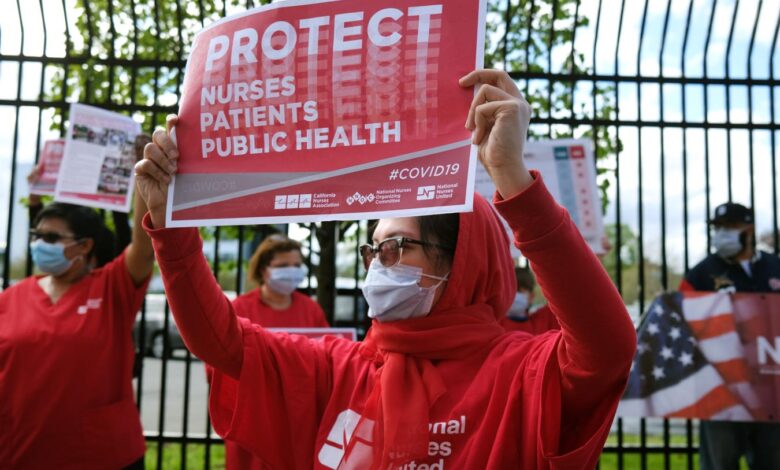
The proposed changes in the One Big Beautiful Bill Act are causing quite a stir, especially in the healthcare field. The Act redefines “professional degrees,” excluding certain programs like nursing, physician assistant, and public health. This has sparked concerns about the impact on students and the future of these crucial healthcare professions.
Under the new bill, loans for graduate student degrees will be capped at $20,500 per year and $100,000 total. However, for programs designated as “professional,” the limits are higher at $50,000 per year and $200,000 total. This change could potentially limit access to education for many aspiring healthcare professionals who rely on student loans to finance their studies.
The Department of Education defends these changes by claiming that borrowing up to the cost of attendance could have a negative return on investment. They argue that the new limits will prevent students from accumulating insurmountable debt for degrees that may not pay off in the long run. However, many experts in the field are pushing back against these changes, warning that they could have devastating effects on healthcare professions.
The American Nurses Association has expressed concerns about the impact on nursing education. They argue that limiting access to funding for graduate education threatens the foundation of patient care, especially in underserved areas where advanced practice nurses play a crucial role. The potential reduction in student loans could also lead to the closure of some degree programs and force students to seek more expensive private loans.
In the field of public health, there are similar concerns about the impact of these changes. Many state and local health departments require degrees in public health, and the proposed limits on loans could deter future professionals from entering the field. This could exacerbate the shortage of healthcare workers and public health professionals, especially in areas where access to care is already limited.
Overall, the changes proposed in the One Big Beautiful Bill Act have sparked a debate about the future of healthcare education and the impact on the healthcare workforce. As the Department of Education prepares to release a Notice of Proposed Rulemaking, it is crucial for stakeholders to voice their concerns and advocate for the importance of supporting education in healthcare fields. The future of healthcare education and the well-being of patients across the country may depend on it.