What Is Legionnaires’ Disease? NYC Outbreak Has Left 70 Sick, 3 Dead
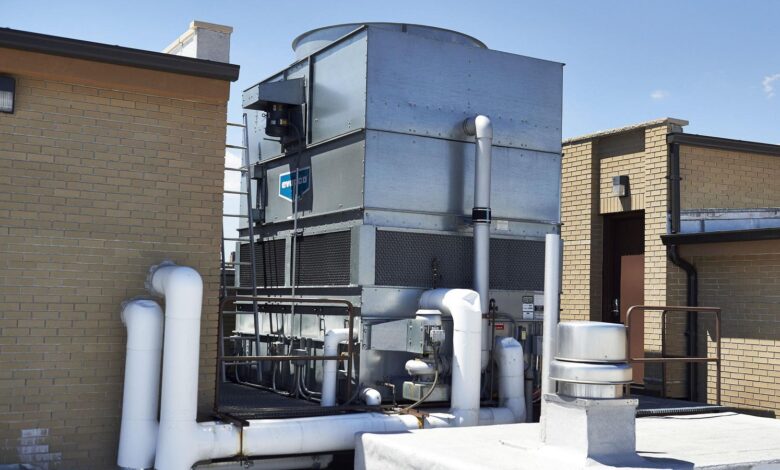
The recent Legionnaires’ Disease outbreak in Central Harlem, New York City has raised concerns and shed light on the potential dangers of contaminated mist emitted from cooling towers. The outbreak has already resulted in at least 70 people falling ill and three fatalities, prompting the New York City Department of Health and Mental Hygiene to investigate the source of the outbreak.
Upon testing 11 cooling towers in the area, the presence of Legionella pneumophila bacteria was discovered, leading health officials to believe that this bacteria was the cause of the outbreak. Cooling towers, part of building cooling systems, are designed to disperse heat into the air as vapor or mist. However, when water sources become stagnant and lack proper cleaning and disinfection, harmful microbes like Legionella can thrive in the water, turning the cooling towers into potential sources of infection.
Inhaling contaminated water droplets carrying Legionella is the primary mode of transmission for Legionnaires’ Disease, rather than person-to-person contact. The bacteria can enter the respiratory tract, causing symptoms ranging from mild respiratory infections to severe pneumonia. Legionella can also lead to skin and soft tissue infections, as well as infections in the sinuses, joints, bloodstream, and even the heart.
Legionnaires’ Disease earned its name from a 1976 outbreak at an American Legion meeting in Philadelphia, where attendees fell ill with a mysterious pneumonia-like illness. The discovery of Legionella bacteria in the hotel’s cooling tower led to the identification of the disease and its causative agent. Symptoms of Legionnaires’ Disease include high fever, respiratory issues, gastrointestinal symptoms, and confusion, with prompt diagnosis and treatment with antibiotics being crucial to prevent life-threatening complications.
Diagnosing Legionnaires’ Disease requires finding Legionella bacteria in sputum samples, while treatment typically involves antibiotics such as fluroquinolones or macrolides. Preventing the disease involves maintaining water sources and systems to prevent bacterial growth, ensuring proper testing and maintenance to avoid contamination. By staying vigilant and proactive in managing water sources, the risk of Legionnaires’ Disease can be minimized.