What the FDA’s Moderna rejection means for every vaccine maker

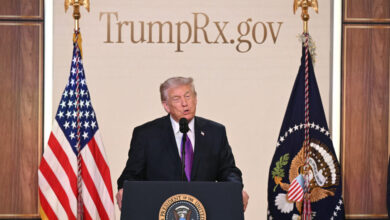
The decision by the Food and Drug Administration to refuse to review Moderna’s flu vaccine has raised concerns about the impact of Trump administration policies on the vaccine industry. Many experts fear that these policies could hinder the development of new vaccines in the U.S. and leave the country unprepared for future pandemics.
Gary Nabel, a former head of the National Institutes of Health’s Vaccine Research Center and chief scientist at Sanofi, expressed his dismay at the FDA’s decision. He believes that it goes against the principles of data-driven regulation and public health, setting a dangerous precedent that could harm vaccine development and American research in the long run.
The vaccine industry was already facing challenges due to a series of policy changes under Robert F. Kennedy Jr., a vocal critic of vaccines. The Department of Health and Human Services has removed six shots from the childhood vaccination schedule, cut funding for mRNA vaccines, and replaced key advisory board members. These actions have created uncertainty and instability in the industry.
Experts warn that these policy changes could discourage companies from investing in vaccine development in the U.S. This could have serious consequences for public health, as the country may struggle to respond to future outbreaks and pandemics without a robust vaccine industry.
It is crucial for the government to support and prioritize vaccine development, ensuring that the U.S. remains at the forefront of research and innovation in the field. Failure to do so could have far-reaching implications for public health and national security.