What to know about DC Home Rule Act as Trump puts DC police under federal control
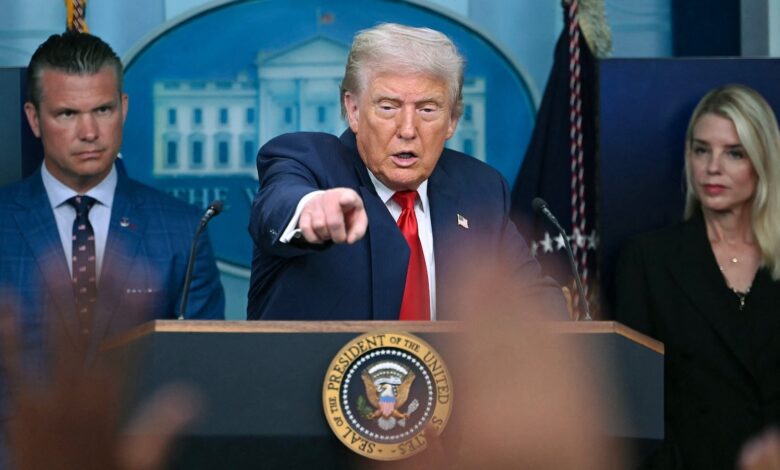
President Donald Trump made a bold move on Monday by invoking Section 740 of D.C.’s Home Rule Act to put the Washington, D.C. police under direct federal control. This decision has stirred controversy and sparked debates about the extent of federal intervention in local affairs.
In his announcement, Trump emphasized his authority as the President of the United States to take this action, stating that he is “taking back” control of the D.C. Metropolitan Police Department. This move has been met with mixed reactions, with D.C. Mayor Muriel Bowser expressing concerns about the implications of federal control on the city’s autonomy.
Mayor Bowser acknowledged the need to comply with Trump’s orders but also highlighted the importance of D.C. making its own decisions. She used this opportunity to advocate for D.C. statehood, emphasizing the residents’ right to govern themselves. Metropolitan Police Department Chief Pamela Smith assured that the department will collaborate with federal partners, as it has done in the past.
Critics of Trump’s decision point to the significant drop in violent crime in Washington, D.C. over the past few years, questioning the necessity of federal intervention. The Home Rule Act of 1973, which grants D.C. residents the power to elect local officials, is seen as a safeguard against undue federal influence.
However, Section 740 of the Home Rule Act grants the president the authority to utilize the D.C. police for federal purposes deemed necessary. Attorney General Pam Bondi has been tasked with overseeing the police force during this period of federal control. It is important to note that this emergency control will expire in 30 days unless Congress approves an extension.
Members of Congress, including Delegate Eleanor Holmes Norton and House Judiciary Committee Ranking Democrat Rep. Jamie Raskin, have voiced opposition to Trump’s actions. Norton described it as an assault on D.C. home rule and called for the passage of legislation to grant D.C. statehood. Raskin pledged to introduce a resolution to reverse the state of emergency and restore full home rule powers to D.C.
The partisan divide on this issue is evident, with Democrats condemning Trump’s move as a power grab and distraction tactic. Republicans, on the other hand, have praised the decision as a step towards making D.C. safe again. House Speaker Mike Johnson and Senator Josh Hawley have expressed support for Trump’s initiative to combat crime and restore safety in the nation’s capital.
As the debate continues, the implications of federal control over D.C.’s police force raise concerns about the balance of power between the federal government and local autonomy. It remains to be seen how this situation will unfold and whether Congress will intervene to address the contentious issue of D.C.’s governance.