What to know about the agency Trump says will insure ships in the Persian Gulf
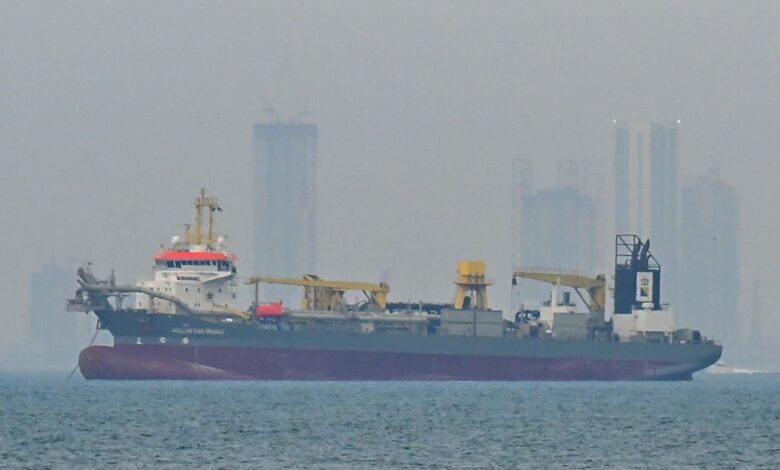
Amid escalating tensions in the Middle East and concerns over the global oil supply, President Trump has announced that the U.S. International Development Finance Corporation (DFC) will provide political risk insurance to ensure the safe passage of ships through the Persian Gulf. This move aims to maintain the “free flow of energy” as the Iran war continues to unfold.
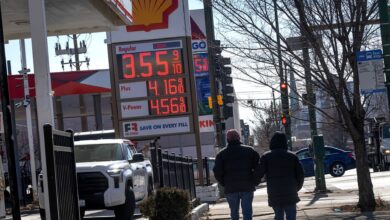
Other global insurers have recently backed away from underwriting maritime trade activity in the Gulf due to increased risks associated with the conflict. This has led to disruptions in oil shipments, resulting in higher oil prices and increased costs at the gas pump.
The DFC, established in 2019 to support global investment projects, will now play a critical role in insuring ships traveling through the Gulf. The agency’s investments range from small-scale projects to multi-billion-dollar initiatives, focusing on sectors such as energy, healthcare, infrastructure, and technology.
What is the U.S. International Development Finance Corporation?
The DFC, a government agency formed to bring private capital to developing nations, provides funding, insurance, and debt financing to support various projects around the world. Historically, the agency has supported low-income countries where capital is limited.
Recently, the DFC announced that it would underwrite policies for ships navigating through the Gulf to minimize market disruptions and ensure the stability of international commerce during the conflict with Iran.
What is political risk insurance?
Political risk insurance, a key offering of the DFC, protects against asset and income losses resulting from war and hostile actions by national and international forces. While the agency has primarily used this insurance for debt-for-nature swaps in the past, its current focus on maritime trade marks a significant shift in its operations.
Cost and implications for American taxpayers
The cost of underwriting policies for ships in the Middle East remains undisclosed, but given the high risks involved, it could potentially exhaust the agency’s statutory risk exposure. If there are payouts for damaged ships in the Gulf, American taxpayers may be liable for significant financial burdens.
As the DFC steps in to ensure the safe passage of ships through the Persian Gulf, the implications for American taxpayers and the broader geopolitical landscape remain uncertain. The agency’s involvement in insuring maritime trade during times of conflict raises questions about the extent of its role and the potential costs involved.
Overall, the DFC’s decision to provide political risk insurance for ships in the Gulf reflects the complex interplay between economic interests, national security concerns, and the need to maintain global energy supplies in the face of escalating geopolitical tensions.