What to know and why it matters
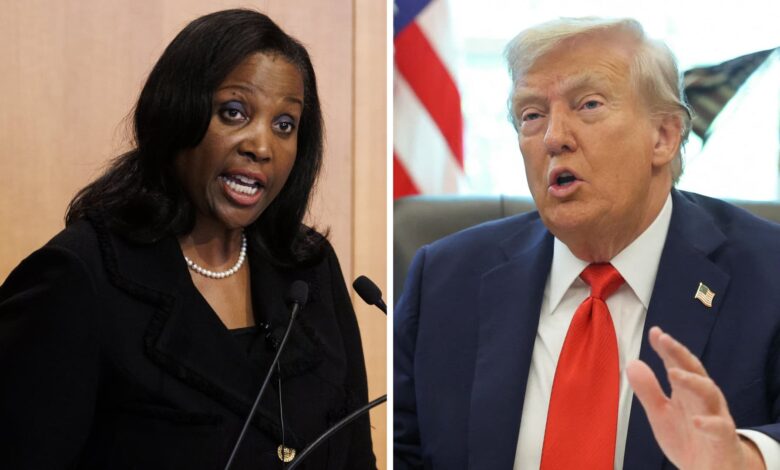
President Donald Trump made headlines on Monday night when he announced his decision to fire Federal Reserve Board Governor Lisa Cook. This move sent shockwaves through global markets, sparking concerns among investors and economists alike. Trump’s decision not only drew attention to the inner workings of the U.S. central bank but also highlighted his ongoing pressure campaign against the Fed to lower interest rates.
The Federal Reserve plays a crucial role in managing monetary policy for the United States. Established with a dual mandate of maximizing full employment and ensuring stable prices, the Fed’s actions have far-reaching implications for the world’s largest economy and beyond. In addition to setting interest rates, the Fed also supervises and regulates banks, conducts stress testing, and mitigates systemic risks.
The Federal Open Market Committee (FOMC), a 12-person group within the Fed, is responsible for setting the key overnight borrowing rate, which currently stands at 4.25% to 4.50%. This rate influences various aspects of the economy, including home mortgages, car loans, and credit card debt. The FOMC holds regular meetings at least eight times a year to discuss and decide on monetary policy.
Lisa Cook, the first African-American woman to serve on the Fed, has been a governor since 2022. With a background in economics and international relations, Cook’s term is set to expire in 2038. Before joining the Fed, she held various academic and research positions, including serving as a senior economist on the Council of Economic Advisers under President Barack Obama.
Trump’s decision to fire Cook was based on allegations of false statements on mortgage applications. Cook responded by stating that the president did not have the authority to remove her and threatened legal action. The Fed, in turn, declared that it would abide by any court decision regarding Cook’s firing, setting the stage for a potential legal battle that could reach the Supreme Court.
While Trump cited the mortgage issue as the reason for Cook’s dismissal, many believe that his true motive lies in his desire to influence the Fed’s monetary policy. The president has been vocal about his calls for lower interest rates and previously considered firing Fed Chair Jerome Powell. As a result, market expectations are high for a rate cut at the next policy meeting in September.
Despite the uncertainty surrounding Cook’s firing, market reactions have been relatively muted. Stocks rose following the announcement, but there were indications of concern in other areas. The U.S. dollar index declined, and gold prices, a traditional safe-haven asset, increased in response to the White House’s move.
While the immediate impact of Trump’s decision may not be felt by everyday Americans, it could have significant long-term implications for economic policy. If Cook is removed from her position, it could open the door for the appointment of an FOMC governor more aligned with the president’s stance on interest rates. This development underscores the importance of the Federal Reserve and its role in shaping the country’s economic future.