Money
What Your Checking Account Is Telling You
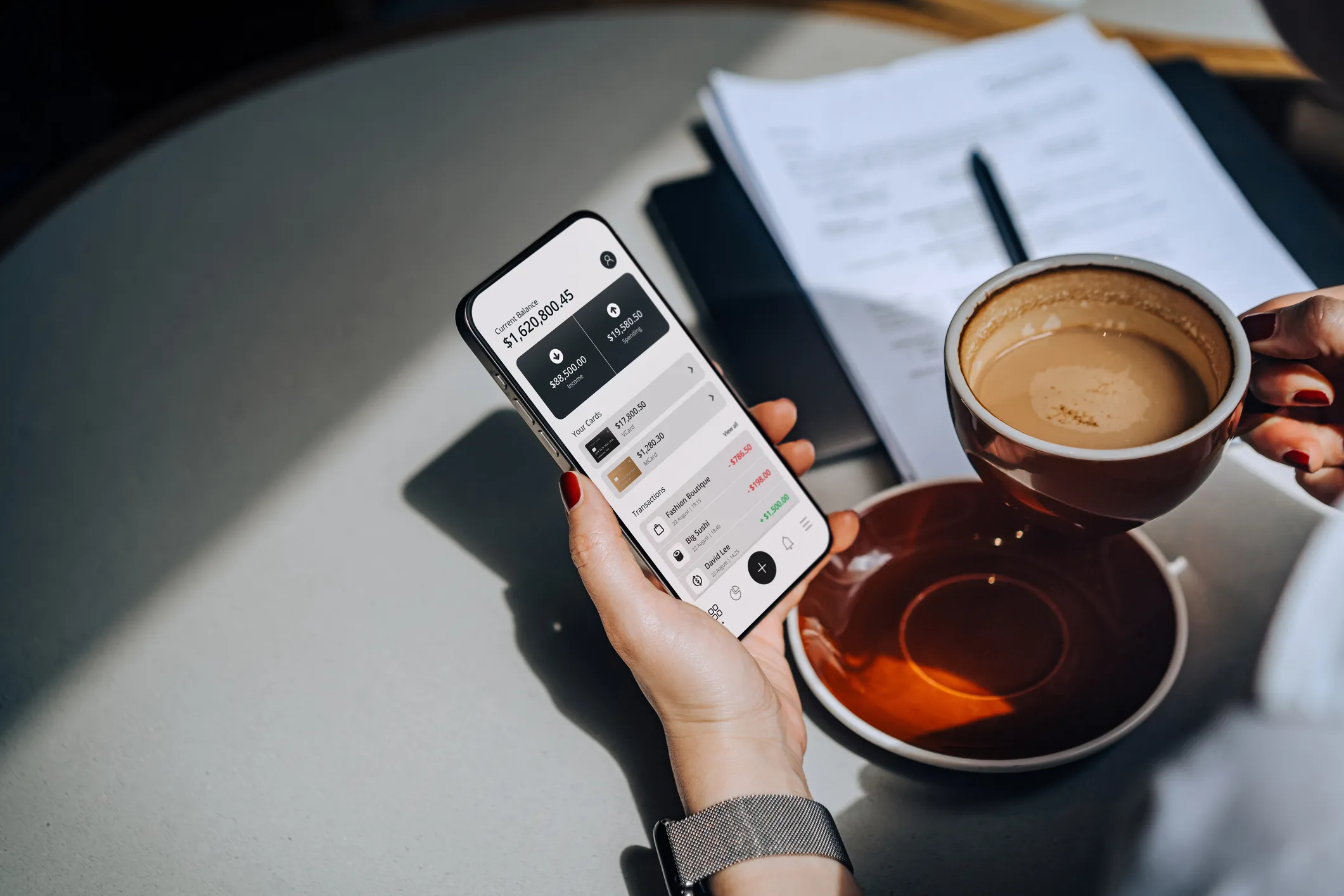
Checking accounts are more than just a place to store your money. They can provide valuable insights into your spending habits and help you make necessary changes to improve your financial health. By taking a closer look at your checking account on a regular basis, you can stay on top of your finances and make adjustments to reach your financial goals.
Here are four signs to look for when giving your checking account a checkup:
- No cash buffer: If you find yourself with a low balance right before payday, it may be a good idea to keep a bit more cash in your checking account. Having a buffer can help you avoid missing bills or unexpected expenses. Financial experts recommend having enough money in your checking account to cover one to two months of expenses, along with a 30% cash buffer. Additionally, it’s advisable to have an emergency fund in a separate savings account to cover three to six months of expenses.
- Subscription creep: Small expenses like subscriptions for streaming services can add up over time and affect your balance. Take a closer look at your transactions and credit card statements to identify any subscriptions that you no longer use or need. Consider downgrading existing plans to save money. Using a subscription tracking app can also help you manage your expenses more effectively.
- Unnecessary fees: ATM and overdraft fees can eat into your savings without you even realizing it. To avoid these fees, keep some cash on hand to avoid using out-of-network ATMs. If you frequently incur ATM fees, consider switching to a bank with more in-network machines. Additionally, maintain a cash buffer and opt for overdraft protection to avoid overdraft fees.
- Untracked spending: Even if you prefer using cash for transactions, it’s essential to track where your money is going. Review your checking account for large cash withdrawals, which may indicate untracked spending. Consider shifting to using credit or debit cards to track your expenses more effectively. Alternatively, you can keep a record of your cash transactions to monitor your spending habits.
By paying attention to these signs and making necessary adjustments, you can better manage your checking account and improve your overall financial well-being. Stay proactive in monitoring your finances to achieve your financial goals and maintain a healthy financial future.