What’s Behind The Growing Number Of Achilles Injuries In The NBA?
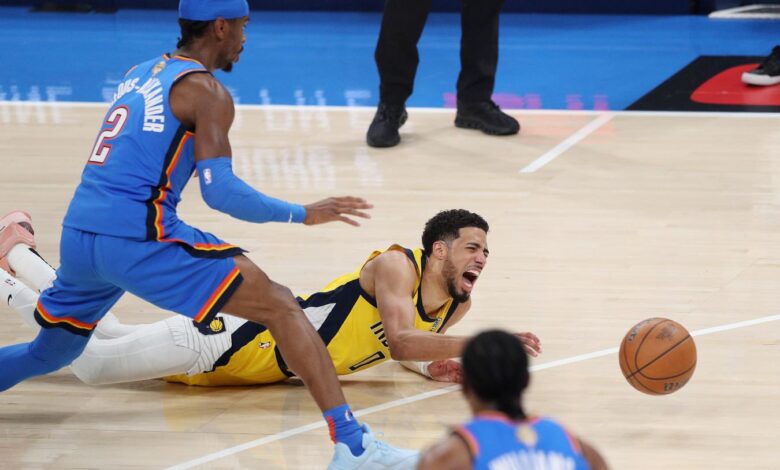
Achilles injuries have become a major concern for NBA players, with the latest casualty being Indiana Pacers star point guard Tyrese Haliburton. Haliburton suffered a right Achilles tendon tear during the first quarter of Game 7 of the NBA Finals against the Oklahoma City Thunder. This unfortunate incident marked the seventh Achilles injury of the 2024-2025 NBA season, a significant increase compared to previous seasons.
The non-contact nature of Haliburton’s injury, where he went down without any physical contact, is a common occurrence in Achilles injuries. Despite his impressive performance in the game prior to the injury, Haliburton’s season came to an abrupt end as he underwent surgery to repair the tendon. This setback not only affected the Pacers’ chances in the Finals but also dashed Haliburton’s hopes for the upcoming season.
Haliburton joined a growing list of players who suffered Achilles injuries during the postseason, including Jayson Tatum and Damian Lillard. While age can be a factor in Achilles injuries, as seen in Lillard’s case at 34, most players on the list were still in their 20s. This raises questions about the underlying causes of these injuries and whether there are other contributing factors at play.
One theory suggests that players returning to the court without fully recovering from previous lower extremity injuries may be more prone to Achilles injuries. This was evident in Haliburton’s case, where a calf strain preceded his Achilles tear. The connection between calf injuries and Achilles injuries highlights the importance of proper rehabilitation and recovery protocols for players.
Another theory points to the grueling nature of the NBA season and playoffs, which could contribute to wear and tear on players’ bodies. However, advancements in load management strategies have aimed to reduce the physical strain on players and extend their careers. Despite these efforts, the increase in Achilles injuries this season indicates that other factors may be at play.
Changes in the style of play in the NBA, with a focus on open play and three-point shooting, could also impact players’ risk of Achilles injuries. The rapid movements and sudden changes in direction in modern basketball may put added stress on the Achilles tendon. Additionally, the shift towards low-top sneakers in the NBA raises concerns about ankle support and potential vulnerabilities to injuries like Achilles tears.
Nutrition and conditioning practices have also evolved in the NBA, with players adopting various methods to enhance their performance and durability. While some practices may have positive effects, others could inadvertently increase the risk of injuries like Achilles tears. Understanding the impact of these factors on players’ health and injury susceptibility is essential for injury prevention strategies.
While the increase in Achilles injuries this season may not definitively establish a trend, it highlights the importance of injury prevention and player health in the NBA. With the recovery timeline for Achilles injuries being significant, teams must prioritize player safety and well-being to avoid such devastating setbacks in the future. As the NBA continues to evolve, addressing the root causes of injuries like Achilles tears will be crucial for the longevity and success of players in the league.