What’s next after House rebukes Trump’s tariffs on Canada?
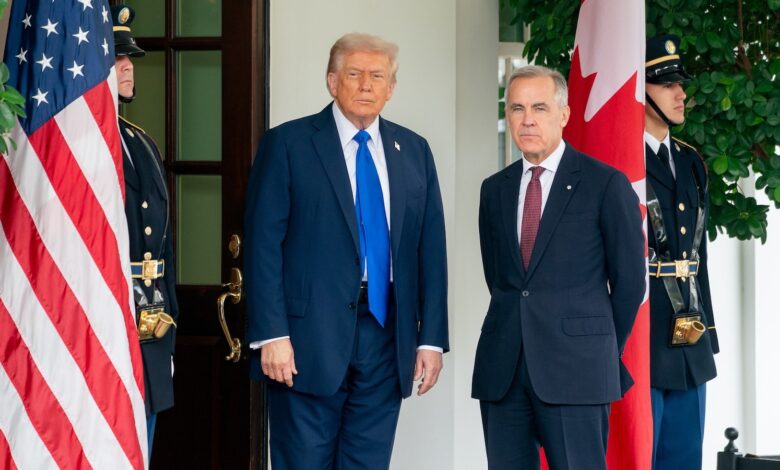
Republican defectors played a significant role in passing a House bill this week aimed at overturning President Donald Trump’s tariffs on Canada, a key U.S. trade partner. This move represents a rare rebuke of Trump by members of his own party on Capitol Hill. The bill’s passage comes as the Supreme Court is set to rule on the legality of some of the steepest tariffs imposed by the administration, including those on Canadian goods.
While the House vote against the tariffs may be largely symbolic, as it faces challenges in the Senate and a potential veto from Trump, it underscores a growing bipartisan opposition to the levies as midterm elections approach. The Supreme Court ruling could have far-reaching implications for many of Trump’s signature tariffs, potentially impacting tens of billions in tax revenue and altering trade agreements with major U.S. partners.
Trump’s decision to impose tariffs on Canadian goods, citing concerns over the transport of fentanyl into the U.S. and alleged trade barriers by Canada, has sparked controversy. Despite Trump’s warnings to Republicans against overturning the tariffs, a narrow House majority voted in favor of the bill, with bipartisan support.
Analysts are divided on the prospects of the bill passing the Senate and overcoming a potential presidential veto. While some view the House vote as a symbolic gesture, signaling political risks associated with Trump’s tariff policies, others believe that the White House may face challenges in future tariff votes as midterm elections draw closer.
The Supreme Court’s impending decision on the legality of Trump’s tariffs could have a significant impact on the administration’s trade policies. The case, which challenges the president’s use of emergency powers to impose tariffs, could result in the striking down of some tariffs and the repayment of billions in tax revenue. The ruling is eagerly awaited by businesses and advocacy groups who have challenged the administration’s tariff policies.
As the political and legal battles over Trump’s tariffs continue to unfold, the outcome of the House bill and the Supreme Court ruling will shape the future of U.S. trade relations with Canada and other key partners. The implications of these decisions could reverberate across various sectors of the economy, affecting businesses, consumers, and international trade agreements.