What’s next for the CDC?
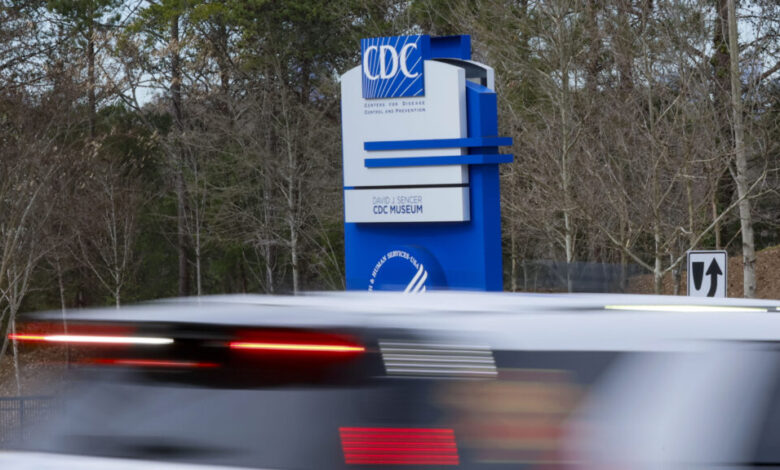
The recent events at the CDC have sent shockwaves through the public health community, with many experts expressing concern that “public health itself is under attack.” The ouster of CDC Director Susan Monarez, along with the resignation of four other top officials, has created a sense of turmoil within the agency. Health Secretary Robert F. Kennedy Jr. has been at the center of the controversy, demanding new vaccine policies and consolidating power amid the chaos.
The situation at the CDC has led to fears that Kennedy will continue to disrupt federal health agencies and pack them with his allies. Public health officials worry that this could have far-reaching consequences for the nation’s health infrastructure. Despite the concerns raised by some within the health community, President Trump has shown unwavering support for Kennedy’s actions.
In a recent appearance on Fox News, Kennedy revived a longtime conspiracy theory by suggesting a link between psychiatric medication, such as SSRIs, and mass shootings. He also raised questions about the potential for violence related to gender-affirming care, despite lack of evidence to support these claims. The misinformation spread by Kennedy has raised eyebrows among experts and further fueled concerns about his influence on public health policy.
Meanwhile, the implementation of 988 as the U.S. standard suicide hotline has seen a lackluster rollout on digital apps, with only a small percentage of mental health apps utilizing the service for crisis support. This comes at a time when mental health resources are increasingly in demand, and access to support services is crucial in preventing suicide, one of the leading causes of death in the U.S.
On a more positive note, the Health Resources and Services Administration has announced plans to expand oversight of the organ transplant system. A new public dashboard will track organ offers and transplants outside the standard list of matched patients, providing more transparency and accountability in the system. This move aims to ensure fairness and efficiency in organ allocation while cracking down on misconduct.
Overall, the recent events at the CDC and the broader public health landscape underscore the importance of strong leadership and evidence-based decision-making in safeguarding the nation’s health. As the situation continues to unfold, it will be crucial for policymakers, health officials, and the public to stay informed and engaged in shaping the future of public health in the United States. Subscribe to STAT’s free newsletter Morning Rounds to stay up to date with the latest developments in health and medicine.