When Safety Becomes Censorship: TikTok’s Hire of Erica Mindel and the Risk of Politicized Moderation
The platform’s new hate-speech policy architect brings credibility—and potential bias—into the engine room of content control. Here’s what Brownstone readers need to know before their voices get filtered
TikTok says it wants to build a safer, hate-free community. But behind that language, the company’s recent hire of Erica Mindel to oversee its global hate-speech policy signals a deeper, more complicated shift: one where political identity, geopolitical pressure, and centralized interpretive power intersect in ways that could narrow the space for honest dissent and tilt the content battlefield.
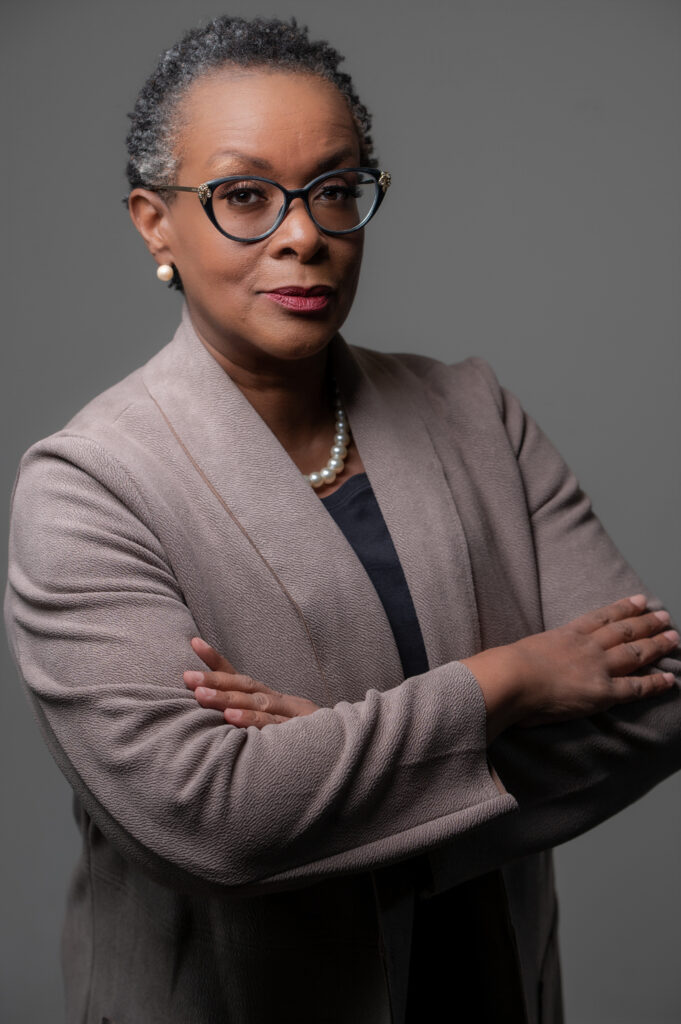
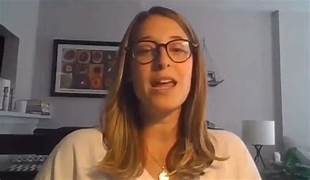
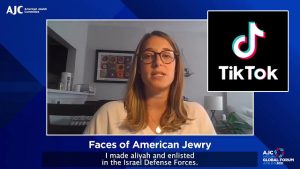
Erica Mindel steps into a role with outsized influence. As TikTok’s Public Policy Manager for Hate Speech inside its Trust & Safety apparatus, she is now part of the team that defines what counts as “hate,” advises moderators on borderline content, manages appeals, and briefs regulators. For a platform with over a billion users—where entire movements, protests, and cultural conversations are born and amplified—that means one person’s worldview, and the framework she helps build, can ripple across millions of feeds.
This is not a take on whether hate speech should be policed. It is a warning: when the gatekeepers of that policing bring specific political and identity baggage to the table—without transparent guardrails—control can masquerade as safety, and dissent can be blunted under the guise of enforcement.
Who Is Erica Mindel?
Erica Mindel’s professional narrative presents her as a defender against hate. She is a U.S.-born, self-identified proud American Jew with experience in confronting antisemitism in official and communal spheres. After college, she served in the Israeli Defense Forces’ Armored Corps—a system that blends national security, identity politics, and strategic messaging. Back in the United States, she worked within the State Department’s Office of the Special Envoy to Monitor and Combat Antisemitism and later on initiatives for major Jewish-community organizations focused on online extremism and hate.
That background positions her as someone fluent in the language of threat, symbolism, and narrative control—skills that are sought after in today’s climate where content moderation is a battleground between free expression and platform liability. For TikTok, a platform under fire from lawmakers on both sides of the Atlantic for perceived surges in hate speech and misinformation, Mindel’s résumé offers a public-facing signal: “We heard you. We added expertise.”
But expertise is not neutral. Experience in conflict zones and counter-extremism, especially when coupled with a clearly articulated identity and ideological alignment, carries interpretive weight. The question becomes: whose definition of harm, whose boundaries of acceptable speech, and whose political narratives will inform enforcement?
Why TikTok Brought Her In—And Why Timing Matters
TikTok’s decision to elevate Mindel in the wake of rising scrutiny is strategic. U.S. congressional hearings, regulators in Europe enforcing the Digital Services Act, and advocacy pressure over spikes in content labeled antisemitic or anti-Palestinian have created a policy squeeze. Platforms are expected to respond with stronger internal governance structures that can survive public and legal scrutiny.
Mindel’s hire allows TikTok to point to a “subject-matter expert” when questioned about takedowns or failure to act. Her background checks the box for external credibility in hearings: a person with experience at the intersection of extremism policy, identity-based violence prevention, and national-security adjacent structures.
But the optics mask a deeper risk: the centralization of interpretive power. Instead of having contested, transparent community norms co-created or clearly delineated, enforcement thresholds may increasingly reflect the internalized biases of a narrow set of policy architects—especially on topics where global politics inflame passions, like Israel-Palestine, racism, or identity-based resistance.
Why Brownstone’s Audience Should Be Concerned
This hire isn’t about whether TikTok will fight hate. It’s about how definitions of hate are drawn, who gets to draw them, and whether that process will privilege some political perspectives while suppressing others. Users, creators, and activists who operate in the gray zones—criticizing state policy, advocating for marginalized movements, or exposing abuses—are the most vulnerable when moderation lacks clarity, balance, and accountability.
1. The Risk of Perceived Ideological Tilt
Mindel’s identity and past affiliations—military service in Israel, counter-antisemitism roles within U.S. governmental structures, and advocacy related to Jewish communal protection—bring with them certain lenses. Those lenses may shape what is considered “extremist” versus what is considered legitimate criticism, especially around Middle East geopolitics. Pro-Palestinian content, or even nuanced critiques of Israeli policy, could increasingly be subject to heightened scrutiny or labeled as violating hate-speech policies, even when they fall within the tradition of political dissent.
2. Rule-Making Opacity
TikTok has not yet released the full policy framework Mindel is architecting. Without publicly accessible, clearly worded guidelines and case examples, creators are forced to guess where lines are drawn. That ambiguity breeds inconsistency, arbitrary enforcement, and self-censorship: users preemptively silence themselves to avoid penalties, not because they’ve been told what is unacceptable, but because they fear the unknown.
3. Trusted Flaggers and Enforcement Acceleration
Modern moderation ecosystems often feature “trusted flaggers”—entities given expedited escalation privileges. If the selection of those partners reflects a narrow set of ideological stakeholders, complaints from certain communities will be fast-tracked while others are ignored. In conjunction with internal policy framing, this dynamic could cement an uneven content landscape, where certain viewpoints are taken down or throttled more quickly and with less recourse.
4. Security Frameworks Invading Civic Spaces
Bringing in individuals with counter-extremism, military, or intelligence-adjacent mindsets into civilian speech governance blurs the line between national security and civic discourse. Content moderation risks adopting threat-assessment frameworks designed for hostile actors and applying them to citizens expressing unpopular or uncomfortable truths.
5. Concentrated Appeals Power
The escalation path for controversial takedowns ultimately flows through the policy architecture Mindel helps shape. If appeal processes are opaque or centralized within a framework that lacks independent oversight, a single interpretive paradigm can become the de facto final arbiter of speech—even when that paradigm may not reflect community standards or constitutional norms of debate.
What Readers Can Do to Protect Their Voices
If you create, organize, or communicate politically sensitive content, assume that the bar for what’s permissible may shift—and prepare accordingly.
- Archive your own content. Before something goes viral or becomes the target of scrutiny, save original files. When removals happen, you’ll have the basis for a public response or appeal.
- Monitor policy updates. Read the hate-speech rulebook when it’s released. Learn the language, and frame content with that knowledge—not to self-censor, but to avoid falling into vague traps.
- Demand transparency. Insist TikTok publish its list of “trusted flaggers,” release enforcement data, and subject its content takedown decisions to third-party audits.
- Diversify distribution. Don’t rely solely on any single algorithm. Build direct audience pipelines—newsletters, websites, alternative platforms—so your message isn’t hostage to opaque moderation swings.
- Call out imbalance. Amplify cases where moderation appears inconsistent or politically skewed. Public pressure and storytelling can push platforms toward corrective change.
The Stakes Are Bigger Than One Platform
TikTok’s move is a microcosm of a broader trend: the consolidation of speech authority inside digital platforms, especially where geopolitical fault lines intersect with algorithmic reach. The narratives shaped—or silenced—on TikTok ripple outward, influencing public opinion, activist momentum, and even policy debates.
If the framework that governs who gets heard is built without rigorous checks, without diversified input, and cloaked in corporate or regulatory optics, then safety becomes a Trojan horse for selective silencing. That’s why this hire, and what follows from it, matters to every storyteller, every organizer, every neighbor who wants to be heard and not erased.
My Final Thoughts
TikTok needed a face to show regulators and critics it was doing something. The question Brownstone readers must ask is: what is that “something” costing the marketplace of ideas?
We are not arguing for lawlessness or hate unchecked. We are demanding clarity, fairness, and accountability—so that “safety” doesn’t become shorthand for shutting down voices that make power uncomfortable.
We’ll See You Around.
— Paulette On The Mic
Editor-in-Chief | Brownstone Worldwide | Brownstone Living | CityScape Radio
Share this article. Tag creators who need to know. Keep watching the line between moderation and control—because who defines hate often defines who stays visible.