Where things stand, global responses — and what comes next

The ongoing conflict between the U.S., Israel, and Iran has entered its third day, with tensions escalating and fears of a wider war looming over the global economy. Both sides have intensified their attacks, leading to casualties and destruction in the region.
The initial strikes by Washington and Israel targeted Iran, resulting in the death of Iran’s Supreme Leader Ayatollah Ali Khamenei. In retaliation, Iran launched missiles and drones at U.S. military bases in Gulf countries, including the UAE, Qatar, Kuwait, and Saudi Arabia. Civilian infrastructure, such as Dubai’s luxury hotel Fairmont The Palm and Dubai International Airport, was also hit in the attacks.
The death of Khamenei has left a leadership vacuum in Iran, with a council temporarily assuming control of the country. The escalating violence has led to over 200 casualties in Iran and the loss of three American service members, with five others seriously wounded.
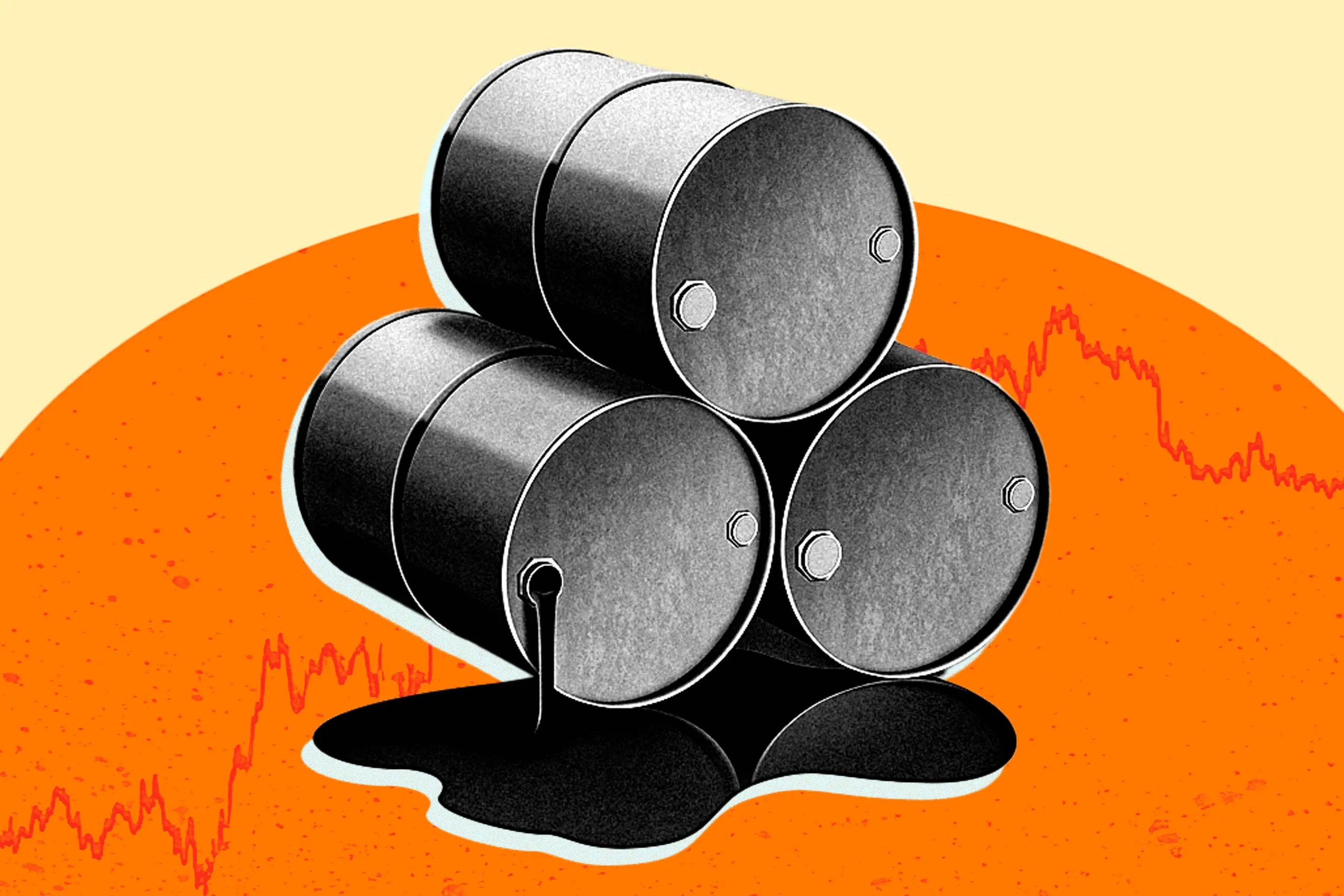
The market reaction to the conflict has been significant, with crude oil prices surging as traders fear supply disruptions. Gold and silver prices have also climbed as investors seek safe-haven assets amid the uncertainty. The U.S. dollar index has risen, while stock futures and global markets have experienced losses.
As the conflict continues, there are conflicting views on the path forward. President Trump has indicated that the conflict could last for weeks, while hinting at the possibility of negotiations with Iran. However, Iran’s security chief has rejected the idea of talks with the U.S., further complicating the situation.
Global leaders have weighed in on the conflict, with Western countries largely supporting the U.S. and Israel’s actions, while China and Russia have condemned the military operations. Calls for de-escalation and a return to diplomatic solutions have been made by various leaders, highlighting the need for a peaceful resolution to the crisis.
The legal justification for the U.S. attacks has also come under scrutiny, with critics questioning the president’s authority to declare war without Congressional approval. Lawmakers have expressed concerns about the potential consequences of a prolonged conflict in the Middle East, emphasizing the need for a strategic plan to address the chaos unfolding in the region.
Overall, the situation remains tense, with the possibility of further escalation or a diplomatic breakthrough hanging in the balance. The global community is closely monitoring developments in the region and working towards a peaceful resolution to the conflict.