Which Types of Storm Damage Are — and Aren’t — Covered by your Homeowners Insurance
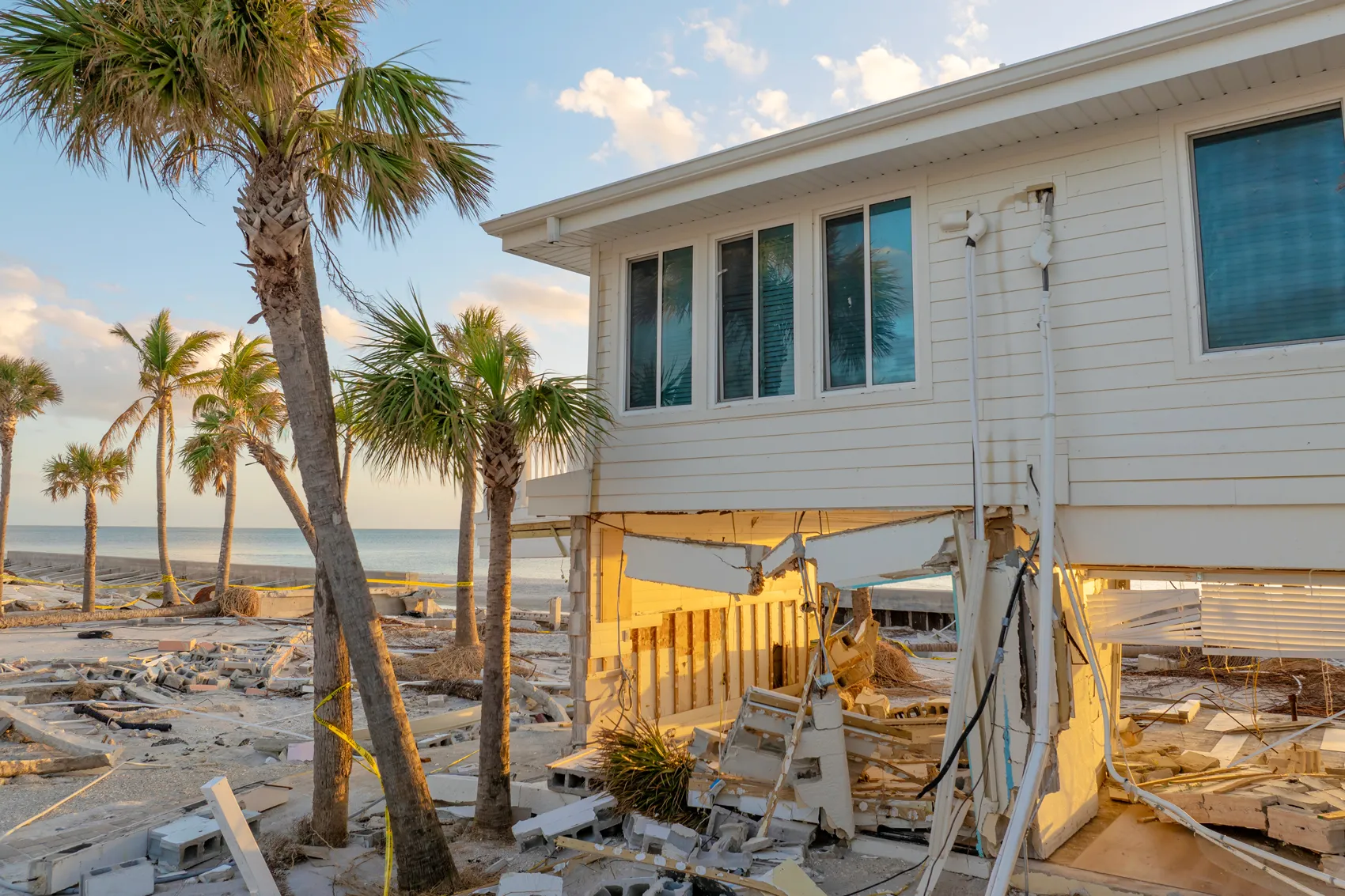
Homeowners insurance is a crucial protection that can save you from financial setbacks caused by inclement weather. However, not all weather-related perils are covered under a standard insurance policy, especially with the increasing frequency and intensity of extreme weather events due to human-caused climate change.
While most weather-related threats like wildfires, hurricanes, and heavy rain flooding are covered under standard homeowners policies, there are limitations to this coverage. It’s essential to understand the distinctions between damage from direct rain downpours and water that contacts the ground before reaching your property.
The cost of homeowners insurance has been on the rise, with rates increasing by an average of 24% annually from 2021 to 2024. This surge is more significant in states like California and Florida, where weather-related damages are more prevalent. Homeowners in high-risk areas may need to pay for additional coverage or a higher deductible to protect their properties adequately.
Damage from high winds, rain, hail, and lightning is typically covered under homeowners insurance policies. However, in areas prone to hurricanes, the deductible may increase to a percentage of total coverage for wind damage. Additional wind-only policies may be necessary in high-risk hurricane zones.
When it comes to floods, homeowners insurance policies usually cover water damage but not flooding. If water contacts the ground before reaching your property or causes a mudslide or landslide, you will need a separate flood insurance policy. It’s crucial to understand these distinctions to ensure your property is adequately protected.
Homeowners insurance also considers negligence when assessing claims. If your property is not well-maintained and suffers damage during bad weather, your claim may be denied or only partially covered. Regular maintenance and prompt action to prevent further damage are essential to ensure full reimbursement.
It’s vital to do an annual insurance checkup to review your coverage and make necessary adjustments. With climate change altering flood threat maps and insurers withdrawing from high-risk states, staying informed about changing weather patterns and insurance policies is crucial. Regularly communicate with your insurer to discuss potential changes or supplementary coverage to enhance protection and reduce costs.
In conclusion, homeowners insurance is a valuable asset that can protect your property from weather-related perils. Understanding your policy’s coverage, staying informed about changing risks, and conducting annual insurance reviews are key steps to ensure your home is adequately protected.