White House defends tariffs on Brazil despite trade surplus
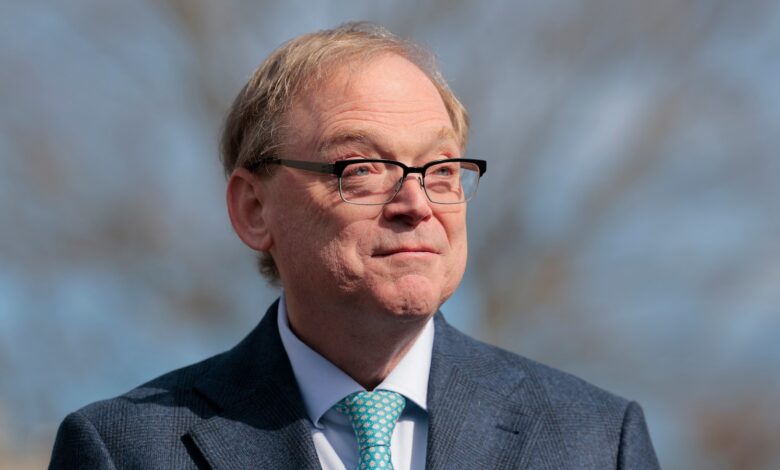
The recent decision by President Donald Trump to impose a 50% tariff on Brazil, the United States’ second-largest trading partner, has sparked controversy and debate. National Economic Council Director Kevin Hassett has come forward to defend this move, stating that it is part of the administration’s broader global tariff strategy.
In an interview with ABC News’ “This Week” co-anchor Jonathan Karl, Hassett explained that the president has the authority to impose new tariffs if he believes there is a national defense emergency or a national security threat. While Trump’s letter to Brazil cited the ongoing criminal case against his political ally, former President Jair Bolsonaro, Hassett emphasized that this was not the sole reason for the tariff.
Hassett argued that the administration’s goal is to onshore production in the U.S. to reduce the national emergency posed by a massive trade deficit. He highlighted the importance of having an overall strategy to prevent transshipping and ensure that objectives are met.
When pressed about Trump’s recent criticism of Federal Reserve Chair Jerome Powell, Hassett pointed to cost overruns in the renovation of the Fed’s headquarters as a potential reason for the president’s dissatisfaction. He stated that whether Powell could be fired would depend on the answers provided by the Fed to questions posed by Office of Management and Budget Director Russ Vought.
Regarding new tariffs with the European Union and Mexico, Hassett clarified that these tariffs are real if the president does not deem the negotiated deals satisfactory. He emphasized that tariff revenue generated by the administration has helped reduce the deficit and secure entitlement programs, with minimal impact on consumers.
In response to questions about the 50% tariff on copper imports, which are essential for various industries, including construction and manufacturing, Hassett defended the move as necessary for national security. Despite criticism from sources like The Wall Street Journal, he maintained that the tariffs would ultimately benefit the U.S. economy and its security interests.
Overall, Kevin Hassett’s defense of President Trump’s tariff policies underscores the administration’s commitment to reshaping trade relationships and protecting national interests. The ongoing debates surrounding these tariffs highlight the complex interplay between economic policy, national security, and international relations. The recent decision by the president to increase copper production in the U.S. is a crucial step in ensuring that America has the necessary resources to produce weapons in times of war. Copper is a key component in many American weapon sets, making it essential for national security.
However, there are concerns about the potential impact of higher copper prices on American manufacturing before production can ramp up. When asked about this issue, Hassett pointed out that economists had already predicted these effects and that inflation in the U.S. is currently at a similar level to that in Europe.
The bottom line is that the president’s decision to boost copper production is a strategic move to safeguard America’s national security interests. By increasing domestic production of this vital metal, the U.S. can reduce its reliance on imports and ensure a stable supply of copper for weapon production.
In conclusion, while there may be some short-term challenges in adjusting to higher copper prices, the long-term benefits of increased production far outweigh the costs. By taking this strong step, the president is demonstrating a commitment to protecting America’s interests and ensuring that the country has the resources it needs to defend itself in times of conflict.