Whitey Bulger Docs Suggest Former FBI Agent Was Framed
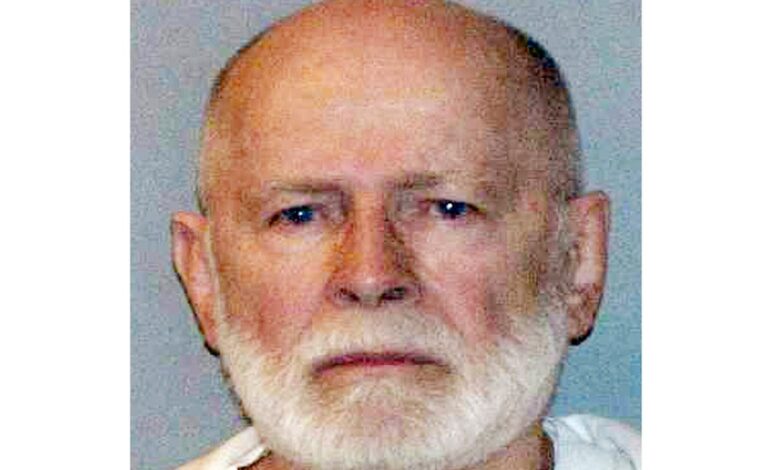
FORT LAUDERDALE, Fla. (AP) — A motion filed in Miami-Dade Circuit Court on Monday seeks to vacate former FBI agent John Connolly’s murder conviction based on newly discovered evidence from the late mobster James “Whitey” Bulger’s handwritten manuscript. The manuscript suggests that Connolly was framed for a crime he did not commit.
The material includes FBI reports detailing Bulger’s statements and the unfinished manuscript seized from his apartment after his arrest in 2011. According to Connolly’s lawyers, Bulger’s writings contradict the prosecution’s case against Connolly, implicating another FBI agent, John Morris, as the true mole.
Connolly, now 85, was convicted of second-degree murder and racketeering in Florida.
What does the new evidence reveal?
In the manuscript, Bulger admits to a life of crime and suggests that he was writing the manuscript to clear Connolly’s name.
Connolly’s attorneys argue that the newly surfaced material was not disclosed to the defense and creates reasonable doubt about his guilt.
Connolly, who was serving a 40-year sentence, was released in 2021 due to terminal illness and the risks of COVID-19.
Why was Connolly implicated in the crime?
Connolly was an FBI agent in Boston when businessman John Callahan was killed in 1982. Prosecutors claimed that Connolly leaked information to Bulger and Flemmi, leading to Callahan’s murder.
However, Bulger’s manuscript and FBI statements suggest that Connolly was framed by Morris, his supervisor at the FBI.
Bulger accused Morris of testifying against Connolly to save himself, leading to Connolly’s conviction.
Bulger, portrayed in movies like “The Departed” and “Black Mass,” denied being an FBI informant against the Mafia.