WHO declares end of global emergency over mpox outbreak
The recent mpox outbreak in several African nations has shown signs of slowing down, prompting the World Health Organization to announce that the situation no longer poses a public health emergency of international concern. The Director-General of WHO, Tedros Adhanom Ghebreyesus, made this announcement during a press briefing, highlighting the decline in cases and deaths in countries like the Democratic Republic of the Congo, Burundi, Sierra Leone, and Uganda.
Initially declared as an emergency in August 2024 due to escalating transmission rates and fears of international spread, the outbreak has now seen a significant decrease in its impact. A panel of experts convened to advise Tedros concluded that the situation no longer warranted a global threat, although efforts to combat the virus in affected African countries must continue.
Despite the decreasing numbers, over 34,000 confirmed cases of mpox have been reported globally this year, resulting in 138 deaths. The Democratic Republic of the Congo remains at the epicenter of the outbreak, with Uganda, Sierra Leone, and Burundi also reporting a significant number of cases. The WHO’s recent situation report highlighted ongoing transmission of the virus in 21 African countries, each dealing with different strains of the virus.
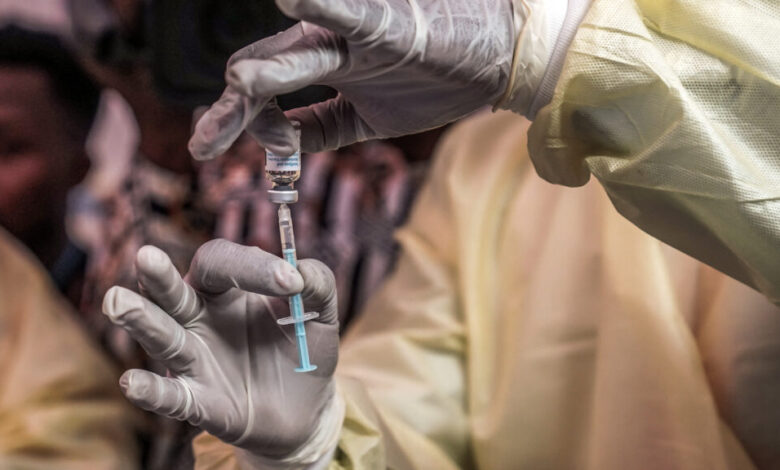
While cases have been identified in countries outside Africa, such as China, Germany, Turkey, and the U.K., these instances were linked to travel rather than community spread. Tedros and infectious disease expert Dimie Ogoina emphasized the importance of sustaining efforts to understand virus transmission and risk factors for severe outcomes. Despite challenges in healthcare infrastructure, countries have made progress in diagnostics, surveillance, care systems, and vaccination efforts, with nearly 1 million doses of the mpox vaccine administered.
Ogoina stressed that lifting the emergency declaration should not lead to complacency, as mpox remains a public health concern, especially in Africa. He emphasized the need for a continued strategy to combat the virus and protect vulnerable populations. Mpox, transmitted by small rodents, causes painful rashes, fever, muscle aches, and respiratory symptoms, posing a significant risk to young children and individuals with weakened immune systems.
The declaration of a public health emergency of international concern empowers the WHO to issue temporary recommendations to address the threat. Previous mpox emergencies have underscored the importance of global cooperation in containing the virus, which can spread through various means, including sexual contact among certain populations.
In conclusion, while the recent announcement signifies progress in controlling the mpox outbreak, ongoing vigilance and coordinated efforts are essential to prevent future flare-ups and protect vulnerable populations. The lessons learned from this outbreak will inform future strategies to address similar public health challenges effectively.