Who gets back pay and who doesn’t after a government shutdown?

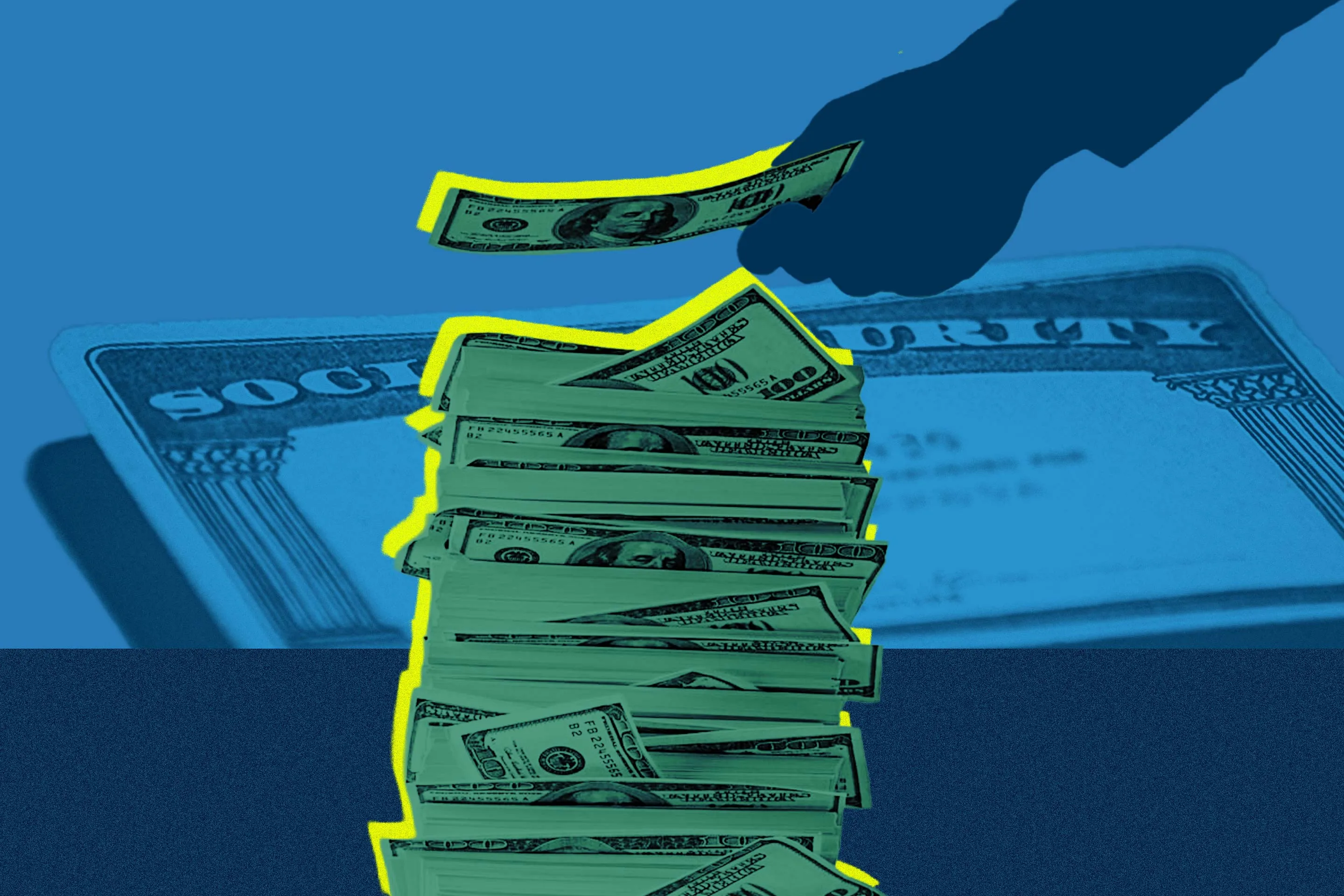
As the government shuts down, the impact is felt by federal workers who may go without paychecks. Whether they are essential employees required to work or furloughed for the duration of the shutdown, the financial strain is real. While federal employees are entitled to back pay once funding is restored, independent contractors who work with the government are not afforded the same protection.
Dan Koh, former chief of staff at the Labor Department under President Biden, highlighted the challenges faced by workers employed by companies with government contracts. These workers are at risk of not being paid once the government reopens, leading to financial stress and uncertainty. Even federal workers who eventually receive back pay can struggle during a shutdown, especially if they live paycheck to paycheck.
Members of Congress and the President, however, continue to receive paychecks during a government shutdown, adding to the disparity in financial security during these uncertain times.
Who gets paid and who does not?
Federal workers, both furloughed and excepted government employees, are guaranteed back pay under the Government Employee Fair Treatment Act of 2019. This ensures that workers affected by a shutdown will eventually receive their full pay, regardless of the scheduled pay dates.
On the other hand, workers and businesses that contract with the government do not have the same guarantee of delayed compensation, putting them at risk of financial hardship during a shutdown.
Approximately 620,000 federal workers are projected to be furloughed during a shutdown, impacting millions of private sector workers supported by federal grants and contracts. The economic ripple effect of a government shutdown can have far-reaching consequences for businesses and workers reliant on government funding.
Personnel needed to process payment
Contractors with fully funded contracts may still face challenges in receiving payments during a shutdown due to the absence of government personnel responsible for processing invoices. The lack of human involvement in the payment process can lead to delays and cash flow issues for contractors, particularly small businesses.
Partially funded contracts
Companies with incrementally funded government contracts are at a higher risk of financial strain during a shutdown. The availability of funds for ongoing work may be uncertain, leading to difficult decisions for contractors on whether to continue working or halt operations.
Federal agencies have the discretion to terminate contracts during a shutdown, further complicating the financial situation for contractors and their employees.
Legislative efforts
Efforts have been made to secure back pay for federal contract workers facing layoffs during a shutdown, but legislative measures have not advanced. The lack of protection for contractor employees highlights the financial vulnerability they face in times of government funding uncertainty.
Small businesses
Businesses in areas heavily populated by federal workers may feel the effects of a prolonged shutdown, as workers cut back on discretionary spending due to lack of income. The economic repercussions can be significant for businesses that rely on government employee patronage.