Why Americans feel so bad about a growing economy

The concept of the “boomcession” has been gaining traction recently, shedding light on the disconnect between the strong economic indicators and the negative sentiment felt by many Americans. Created by Matt Stoller, the term combines “boom” and “recession” to capture the essence of how the average American is not benefiting from the seemingly thriving economy.
Despite the surging economic output and stock market, as well as high consumer spending, a significant portion of the population is struggling with financial insecurity. Debt levels are at an all-time high, and a majority of Americans believe the country is in an economic slowdown, contrary to the official data.
The “boomcession” framework aims to highlight the material financial challenges faced by those outside the upper echelons of society. It explains why there is a disconnect between the overall economic growth and the sentiment of ordinary citizens who feel left behind.
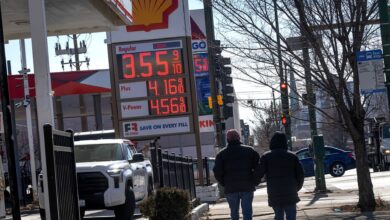
One of the factors contributing to this disconnect is the uneven impact of inflation. Different income groups experience varying rates of price increases, with lower earners typically facing higher inflation rates. This disparity is exacerbated when overall price growth exceeds the Federal Reserve’s target of 2%.
Furthermore, the job market has become a source of concern for many Americans, with economists describing the current labor landscape as a “hiring recession.” Despite the stock market performing well, job openings have declined, leading to anxiety among the general population.
The gap between corporate profits and employee compensation has widened, with layoffs increasing significantly in recent months. This has led to a decline in consumer sentiment, even as the economy continues to expand.
While the economy has shown signs of growth, the benefits are not evenly distributed, with the top 20% of Americans driving a significant portion of total spending. This has led to a sense of instability and uncertainty among households, particularly those with lower incomes.
Overall, the “boomcession” phenomenon highlights the complexity of the current economic landscape, where multiple experiences can coexist. It underscores the importance of addressing the underlying issues of inequality and financial insecurity to ensure a more inclusive and sustainable economic recovery.