Why Android 17 Will Be Largely Irrelevant
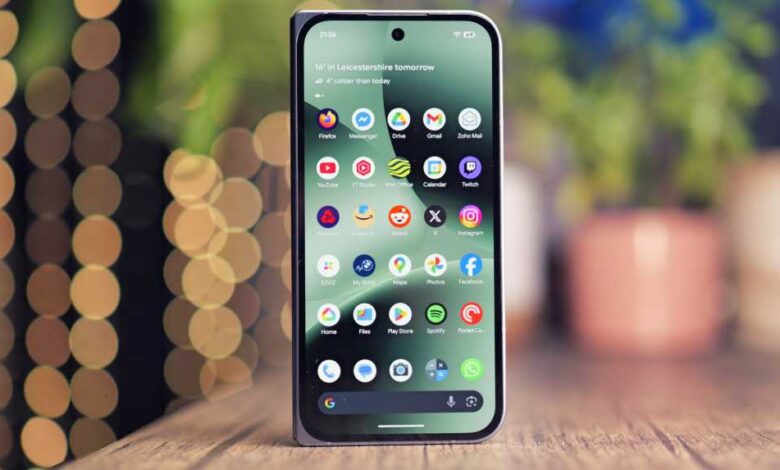
Android has been around for almost two decades, but it still faces a major issue that plagues the platform – slow software updates. Despite the latest version, Android 16, being available on supported Google Pixel phones and other top devices, the rollout to older handsets is moving at a sluggish pace.
According to a recent report from 9to5Google, only 7.5 percent of all Android devices are currently running Android 16, which was released back in June of the previous year. This is actually an improvement from the 4.5 percent adoption rate of Android 15 in April 2025. The slow rollout of Samsung’s Android 15 skin, One UI 7, to older Galaxy phones contributed significantly to this delay.
In comparison, iOS 26, the latest version of Apple’s operating system, is already installed on close to 30 percent of supported devices. This stark difference highlights the challenge that Android faces due to its fragmented ecosystem with various manufacturers and devices.
The upcoming release of Android 17 may not generate much excitement among the general Android user base. While tech enthusiasts like myself eagerly anticipate the new features, the reality is that most users may not see the benefits for months or even years. The limited availability of features like Call Screening, Now Playing, and Scam Detection to Pixel phones further exacerbates this disparity.
Another concerning issue highlighted by the data is the significant fragmentation of Android versions across devices. Over 10 percent of devices are still running older versions of Android, leaving many users with unsupported phones. This poses a serious security risk as unsupported devices do not receive essential updates and patches to protect against vulnerabilities and malware.
To ensure the safety of personal data, it is crucial for users to upgrade to supported devices or models that receive regular software updates. While Google continues to develop Android 17, the focus should be on prioritizing the security and functionality of all users, rather than just pushing out the latest version.
In conclusion, the slow adoption of Android updates and the prevalence of unsupported devices highlight the challenges faced by the platform. As Android 17 approaches, it is essential for users to prioritize device security and functionality over the latest features. Ultimately, a safe and reliable phone will always be more valuable than the newest software version.