Why David Zaslav and the WBD Board Favored Netflix in a Turbulent Time
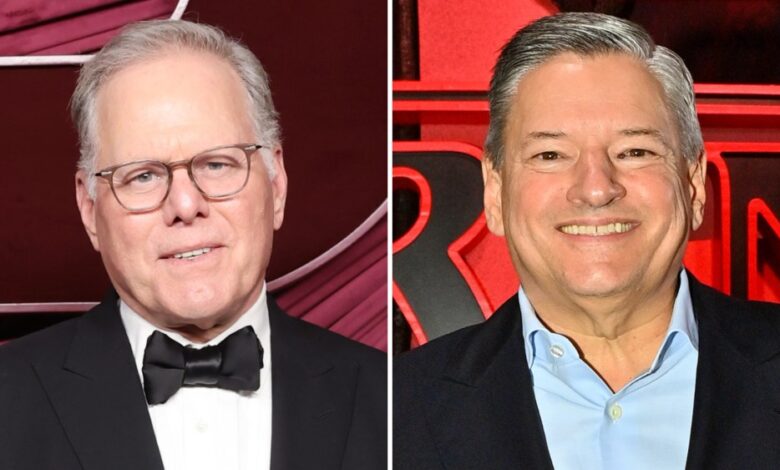
After days of intense negotiations, Netflix has finally reached a deal to acquire Warner Bros. and HBO Max for a staggering $82.7 billion. The agreement was finalized late on Thursday night, with executives and legal teams from both companies spread across different locations communicating mostly through phone and electronic means.
One of the final sticking points in the negotiations was Warner Bros.’ insistence on Netflix committing to a record-breaking $5.8 billion breakup fee in case the deal faced any obstacles. Despite the agreement being reached, opposition quickly arose from unions, consumer watchdogs, and politicians on both sides of the political spectrum, calling for the merger to be blocked.
The decision to go with Netflix over other contenders like Paramount Skydance and Comcast was largely influenced by Netflix’s strong financial position and consistent performance in the market. Unlike the ill-fated AOL-Time Warner merger in 2001, Netflix’s acquisition signals a strategic move to capitalize on Warner Bros. and HBO’s content in the ever-evolving entertainment landscape.
The deal, expected to face intense scrutiny and regulatory hurdles, could take up to 18 months to close. With concerns about monopoly power and competition in the content marketplace, both Netflix and Warner Bros. are preparing to make a case for the consumer benefits and positive impact on the creative community.
While the future of Warner Bros. and HBO Max under Netflix’s ownership remains uncertain, there are assurances that both entities will continue to operate as standalone businesses. However, industry experts predict that streamlining and consolidation may eventually lead to changes in senior executive roles.
For Warner Bros. CEO David Zaslav, the merger signifies a potential exit strategy as he prepares to hand over the reins to Netflix’s co-CEOs Ted Sarandos and Greg Peters. Despite losing his CEO position, Zaslav stands to gain financially from the deal, along with other senior executives from Warner Bros. and HBO. As the merger progresses, the focus will be on delivering a successful transition and ensuring a bright future for the merged entities.
In conclusion, the Netflix-Warner Bros. deal marks a significant milestone in the entertainment industry, with implications for both companies and the broader media landscape. As the merger moves forward, all eyes will be on how the combined entity navigates the challenges and opportunities that lie ahead.