Why has the Bank of England cut interest rates?
Bank of England Cuts Rates Despite High Inflation: A Closer Look
In a surprising move, the Bank of England has decided to cut interest rates even though inflation is well above its target of 2% and shows no signs of slowing down. This decision has sparked debate among the members of the Monetary Policy Committee, leading to an unprecedented second vote.
The main reason behind this rate cut is the Bank’s belief that the jobs market will have less impact on inflation in the medium term. With a decrease in job vacancies and an increase in the jobless rate, the Bank anticipates less upward pressure on prices.
However, critics question this decision as inflation remains high, especially in food prices, which are expected to rise further in the coming months. The uncertainty surrounding future interest rate cuts in November adds to the concerns.
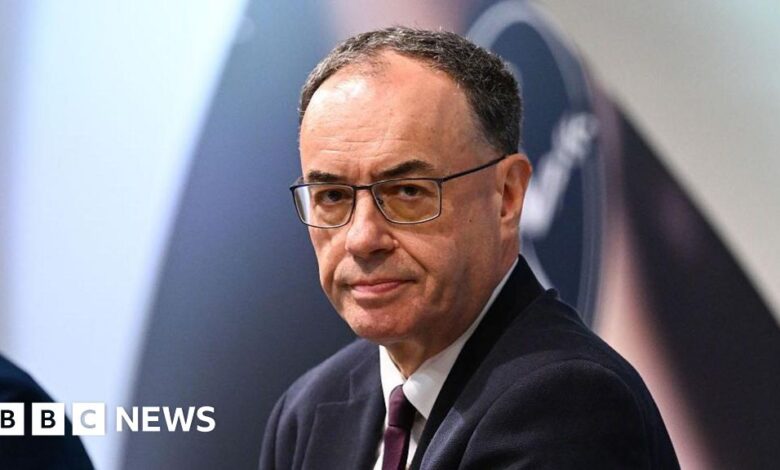
Interestingly, deputy governor Clare Lombardelli and chief economist Huw Pill opposed the rate cut, highlighting the division within the Bank’s leadership. Governor Andrew Bailey acknowledged the increased uncertainty surrounding the pace of cuts, which were previously expected to continue on a quarterly basis into next year.
Challenges and Expectations
Despite five rate cuts over the past year, the economy has not experienced the expected boost. Second-quarter GDP growth is projected to be a mere 0.1%, according to the Office for National Statistics. However, the Bank predicts a pickup in economic growth to 0.3% in the third quarter, driven in part by the prime minister’s trade deal with the US.
The global economic environment has weighed on the UK economy, with a notable 24% decline in car exports to the US in May. The Bank believes this trend will reverse in the near future.
One key factor affecting the economy is the high rate of savings, which remains elevated post-pandemic. Despite rising wages outpacing inflation, consumers have been hesitant to increase spending, likely influenced by previous high-interest rates and a general sense of negativity.
If consumer spending returns to normal levels and savings rates decline, the Bank anticipates a significant improvement in economic growth. However, concerns about lingering inflation and the impact of government policies, such as the increase in National Insurance for employers and the national living wage, persist.
Conclusion
The Bank of England’s decision to cut rates amidst high inflation and economic challenges reflects a complex balancing act. While the path forward may be uncertain, the Bank remains optimistic about the potential for growth if consumer confidence and spending rebound. As the economy navigates through these turbulent times, policymakers will need to closely monitor inflation trends and adapt their strategies accordingly.