Why Sci-Fi, Genre Series Resonate Now More Than Ever With Emmy Voters
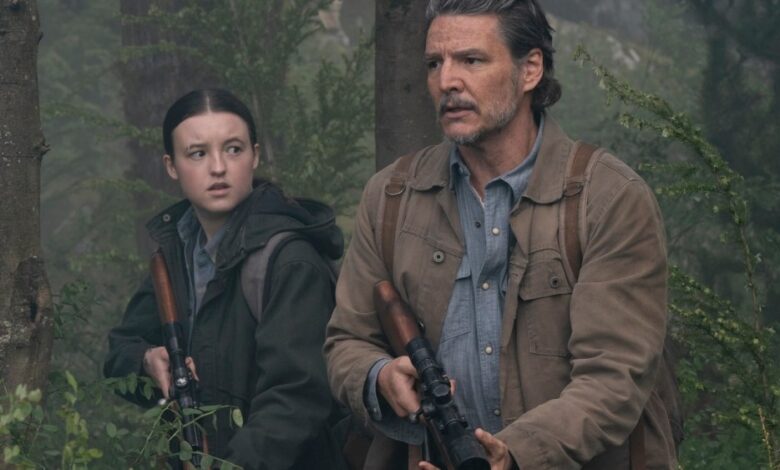
Science fiction and horror have made a significant impact at the Emmys this year, with popular shows like “The Penguin,” “The Last of Us,” “Andor,” “Severance,” “Paradise,” and “What We Do in the Shadows” receiving nominations in major categories such as acting, writing, and best series.
Craig Mazin, the showrunner of “The Last of Us,” attributes the rise of the genre to classics like “The Lord of the Rings,” which blended quality storytelling with genre elements. He believes that genre elements, such as those found in science fiction and horror, are akin to mythology and legend, making them essential tools for compelling storytelling.
Mazin emphasizes the importance of a well-crafted script in television, highlighting the need to focus on universal themes like family, loss, community, hope, and vengeance, even in shows with fantastical elements like fungus zombies. By presenting actors with scripts that delve deeper into the human experience, creators can attract top talent and elevate the storytelling.
For Lauren LeFranc, the showrunner of “The Penguin,” creating complex and fully developed female characters was a priority. She wanted to challenge stereotypes and tropes commonly associated with the crime and comic book genres, ensuring that women in her show were portrayed with depth and richness.
In one episode, Sofia Falcone, played by Cristin Milioti, defies expectations in a scene involving a sex worker named Eve. LeFranc wanted to subvert the typical narrative where the sex worker meets a tragic end, opting instead for a more nuanced and unexpected outcome that reflects Sofia’s character development.
Both Mazin and LeFranc agree that science fiction and horror have the power to reflect societal issues and explore the consequences of humanity’s actions. By using these genres as a mirror to society, creators can address pressing issues like nuclear proliferation, climate change, antibiotic resistance, and artificial intelligence in a thought-provoking and engaging manner.
Looking ahead, LeFranc believes that good storytelling transcends genre boundaries, emphasizing that writers will always find ways to tell human stories, regardless of the genre they are working in. As the entertainment industry continues to value established intellectual properties, writers and creators will strive to infuse their work with authenticity and emotional depth, ensuring that audiences are captivated by the stories being told.