Why stablecoin issuer Circle wants to be a bank
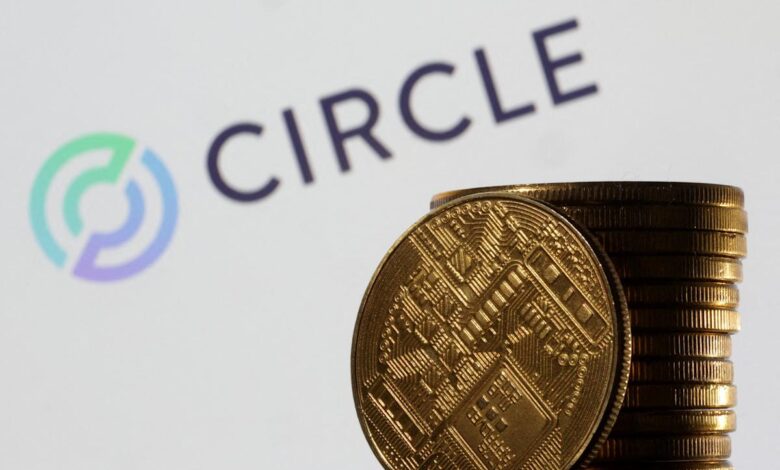
Circle (CRCL), the stablecoin issuer, has officially submitted an application to the Office of the Comptroller of the Currency (OCC) for a national trust bank charter, according to a press release issued on Monday. If approved by the national bank regulator, Circle intends to launch a national trust bank named First National Digital Currency Bank, N.A. This charter would enable the crypto company to safeguard and oversee the reserve assets backing its stablecoins and provide fiduciary services, although it would not permit Circle to accept deposits or issue loans.
Jeremy Allaire, the CEO of Circle, expressed his excitement about the potential establishment of a national digital currency trust bank, stating that it represents a significant step towards creating a transparent, efficient, and accessible internet financial system. Reuters was the first to report on this development, highlighting the importance of such a move for Circle’s competitive position in the market.
Currently, only one other crypto firm, Anchorage Digital, holds a similar license. Circle’s reserves are presently held in custody by the Bank of New York Mellon and managed by BlackRock. Despite a 2% decrease in Circle’s stock value on Tuesday, the company’s stock has risen by an impressive 470% since its IPO on June 5.
The push towards making America the “crypto capital of the world” under President Donald Trump has led to a surge in mainstream finance interest in the crypto industry. Circle’s involvement in the $253 billion stablecoin market has attracted significant attention from Wall Street entities, including major banks, fintech firms, and tech giants like Visa and Mastercard.
Stablecoins, unlike other cryptocurrencies, are designed to maintain a stable value and serve as a reliable investment option amid the volatility of the crypto market. The GENIUS Act, a proposed stablecoin bill, aims to establish guidelines for US banks and financial companies offering stablecoins and managing their reserves, potentially expanding the market to a broader range of participants.
As the issuer of the world’s second-largest stablecoin, USDC, Circle is well-positioned to capitalize on the growing interest in stablecoins. Proponents anticipate significant growth in global payments facilitated by stablecoins, with Treasury Secretary Scott Bessent projecting the US stablecoin market to exceed $2 trillion by 2028.
Analysts like Gautam Chhugani from Bernstein view Circle as a key player in the evolving financial landscape, predicting substantial growth in the global stablecoin market to reach $4 trillion over the next decade. This outlook underscores the potential for Circle to thrive in the emerging internet-scale financial system.
In conclusion, the move towards establishing a national trust bank charter marks a pivotal moment for Circle and the broader crypto industry. With increasing regulatory clarity and support, Circle is poised to navigate the evolving financial landscape and emerge as a leading player in the stablecoin market.