Why this month’s inflation figure may be good news for you
The latest inflation figures may not bring much festive cheer for your finances at first glance. Prices have increased by 3.2% compared to a year ago, meaning that the same selection of goods and services that cost £100 a year ago would now cost £103.20. This rate of rising prices is significantly higher than the Bank of England’s target of 2%, with certain items such as chocolate seeing a 17% price hike.
However, there is a silver lining in the latest data – signs indicate that prices are increasing at a slower rate. This is a positive sign for the coming year and could also have an immediate impact on the cost of borrowing. With essential items driving this slowdown, the recent data is good news for those who are feeling the pinch of the rising cost of living.
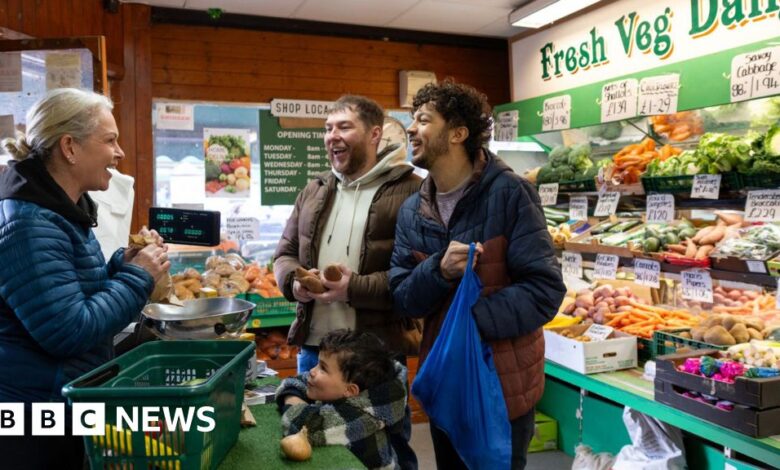
One notable trend in the latest figures is the fall in prices of certain food items. Food and non-alcoholic drinks saw a 4.2% increase in the year to November, down from 4.9% in October. Similarly, alcohol and tobacco prices rose by 4%, a decrease from 5.9% in October. Items like olive oil saw a 16% price drop, alongside reductions in prices for flours, pasta, and sugar.
The slowdown in price rises for essential items like food is particularly beneficial for those on lower incomes, as a larger portion of their income is typically spent on these necessities. Analysts believe that the overall inflation rate is dropping faster than expected, following the path forecasted by the Bank of England.
While the reasons for the decrease in price rises vary for different items, consumer habits have also shifted in response to the financial climate. People are making more conscious choices about their spending, using what they already have in their cupboards rather than purchasing additional special ingredients.
The impact of these trends extends to borrowing and saving. Lower inflation rates increase the likelihood of a cut in interest rates by the Bank of England’s Monetary Policy Committee, making borrowing cheaper but leading to lower returns for savers. Policymakers are encouraging people to consider investing in stocks and shares for potentially higher returns over time.
Overall, the latest inflation data reflects a positive trend towards slower price increases, particularly for essential items like food. While there may be challenges for savers in the short term, the emphasis on investing for long-term financial growth is a key takeaway from the current financial landscape.