Why your beef, bananas and coffee beans have gotten so expensive
The rising cost of food in the United States continues to put a strain on households, with staples like bananas, beef, and coffee seeing significant price increases. According to the latest Consumer Price Index data for September, banana prices were up 6.9%, ground beef rose by 12.9%, and roasted coffee jumped by a staggering 18.9%. Food industry analyst Phil Lempert warns that prices are unlikely to come down anytime soon, with stabilization being the best-case scenario.
The surge in food prices can be attributed to a variety of factors, including the impact of climate change on crop harvests, U.S. tariffs on imports, and basic economic principles. Let’s take a closer look at two key food items that have seen significant price hikes: beef and coffee.
Beef prices have reached record highs, with the average cost of a pound of ground beef at $6.30 in September. This is a 65% increase from late 2019, driven by a combination of economic factors and climate-related challenges. The shrinking cattle herds in the U.S. due to intensifying droughts have strained the beef supply, leading to higher prices as demand outstrips supply. Additionally, higher grain costs and labor shortages at slaughterhouses have further contributed to the increase in beef prices.
On the other hand, the average retail price of ground roast coffee hit a record high of $9.14 per pound in September. Volatile weather conditions in major coffee-producing countries like Brazil and Colombia have impacted crop yields, leading to supply shortages and price spikes. American tariffs on foreign imports have also played a role in driving up domestic coffee prices, with tariffs on major coffee-producing countries like Brazil and Colombia affecting supplies in the U.S.
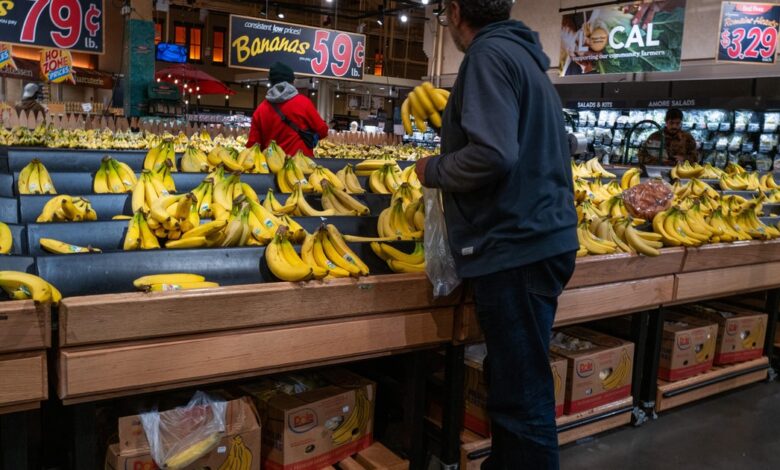
Bananas, a grocery store staple, have also seen price increases, reaching 67 cents per pound in September. Supply constraints and tariffs on bananas from countries like Guatemala, Ecuador, and Costa Rica have pushed up prices. Additionally, a fungal disease known as Panama Disease has threatened Cavendish bananas, reducing U.S. banana supplies and contributing to the price hike.
Overall, the combination of climate-related challenges, trade policies, and supply chain disruptions has led to higher food prices across the board. As consumers continue to feel the impact of these increases, it’s important to stay informed about the factors driving these changes in order to make informed decisions about food purchases.