Will Trump Accounts for Babies Really Be Worth $170,000 in 18 Years?
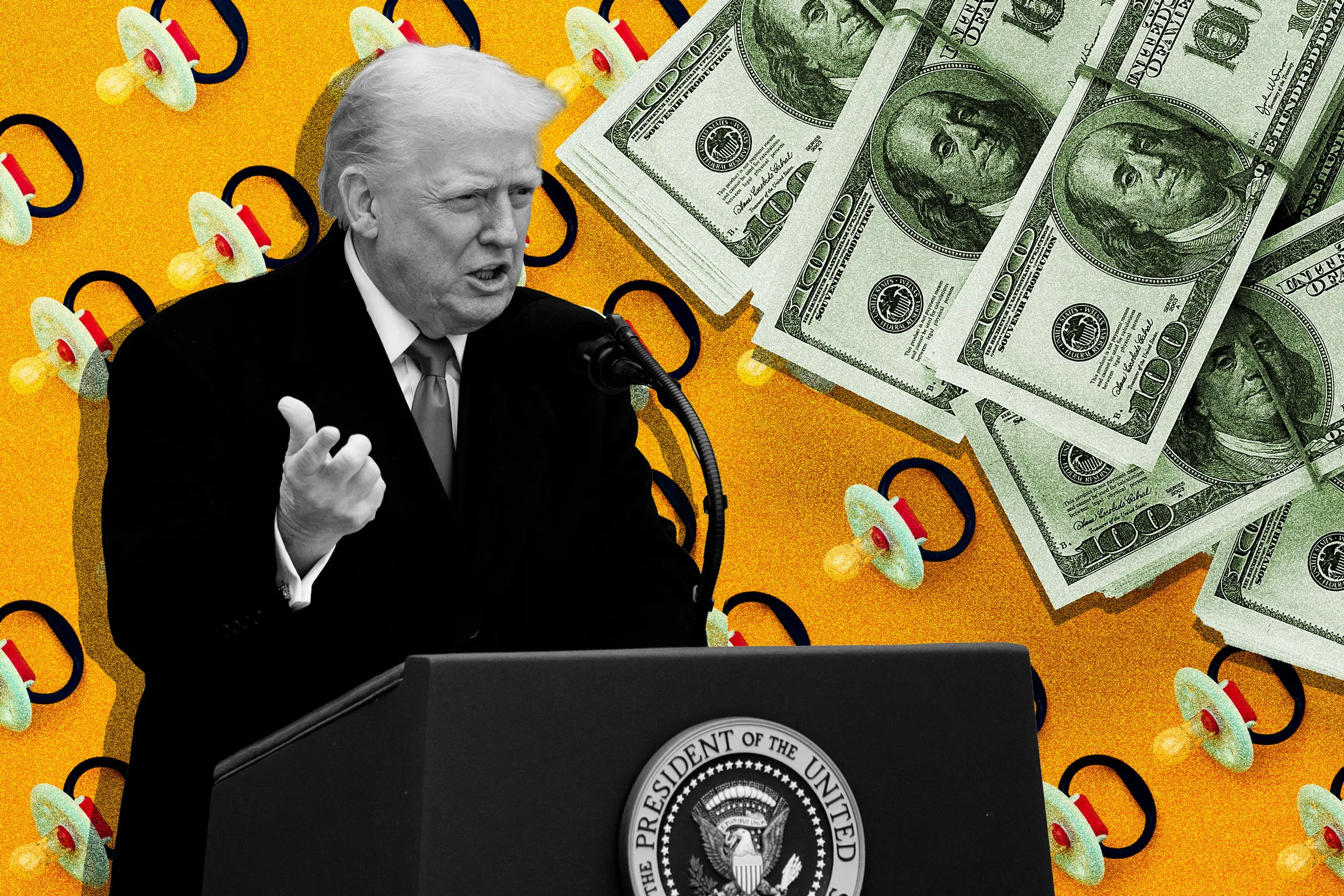
The IRS recently made headlines with their announcement of new guidance on Trump Accounts, which are birth-based custodial accounts included in the tax cuts signed into law earlier this year. The government has promised to deposit $1,000 into these accounts for babies born between 2025 and 2028. Additionally, a $6.25 billion donation from Michael Dell and his wife will be distributed in $250 increments to children age 10 and under in lower-income ZIP codes, expanding the pool of eligible children.
After the initial seed money, the maximum annual contribution to a Trump Account will be $5,000, indexed for inflation starting in 2028. States, nonprofits, and other entities will also be able to contribute beyond the annual limit. Employers can contribute up to $2,500, which does not count towards the $5,000 cap.
Lisa Featherngill, national director of strategic wealth and business advisory at Comerica Wealth Management, sees great potential in these accounts as a way to promote financial literacy from a young age. She notes that the employer contribution of $2,500 can be a valuable fringe benefit for employees.
However, the real value of these accounts lies in the long-term growth potential. Senator Ted Cruz outlined some impressive numbers at a recent press briefing, citing the example of a hypothetical girl born this year who could potentially have $170,000 in her account by age 18 if her parents or employer contribute $5,000 each year with a 7% annual growth rate from the S&P 500.
Financial experts like Elizabeth Pennington caution that achieving consistent 7% returns every year is unlikely. Additionally, the $5,000 annual contribution limit will be indexed for inflation, requiring parents to save more to reach the maximum savings potential.
In conclusion, while the numbers presented by Senator Cruz paint a rosy picture of the potential wealth accumulation in Trump Accounts, it is important to consider the practicalities and uncertainties surrounding long-term investment growth. Financial planning and realistic expectations will be key to maximizing the benefits of these accounts for future generations. The debate surrounding the proposed Trump Accounts continues to rage on, with financial planners and experts questioning the feasibility and practicality of the savings program. While the White House projects optimistic scenarios of potential returns, many are skeptical about the likelihood of achieving such high figures.
The White House’s own Council of Economic Advisers outlined various scenarios that could lead to substantial balances in Trump Accounts. To reach the most optimistic projections, the S&P would need to yield returns of 18.5% annually for 18 consecutive years. While not entirely impossible, achieving such consistent high returns is considered unlikely by many financial professionals.
Jonathan Lee, a senior portfolio manager at US Bank, acknowledges that the S&P did return 25% last year, but warns that banking on near-20% returns over an 18-year period is a risky assumption. While the CEA’s midpoint return projection of 10.3% is considered more realistic, the potential risks and uncertainties of the market must also be taken into account.
Furthermore, questions about the practicality of contributing the maximum amount every year for 18 years, as well as the impact of Trump Account balances on college financial aid calculations, remain unanswered. Under current IRA regulations, individuals would need to earn a significant amount annually to contribute the maximum allowed to their Trump Accounts.
The potential for market downturns and the lack of protection against losses in Trump Accounts are also significant concerns raised by financial experts. Families may be forced to sell off assets in a recession, locking in losses and jeopardizing the long-term growth of their savings.
Overall, while the concept of Trump Accounts may sound appealing on the surface, the practicalities and risks associated with the program raise doubts about its effectiveness in helping American families save for the future. As the debate continues, it remains to be seen whether Trump Accounts will become a viable savings option for individuals seeking to secure their financial futures.