Will Trump’s 50-Year Mortgage Plan Save Homeowners Money?
Are 50-Year Mortgages the Solution to Affordable Housing?
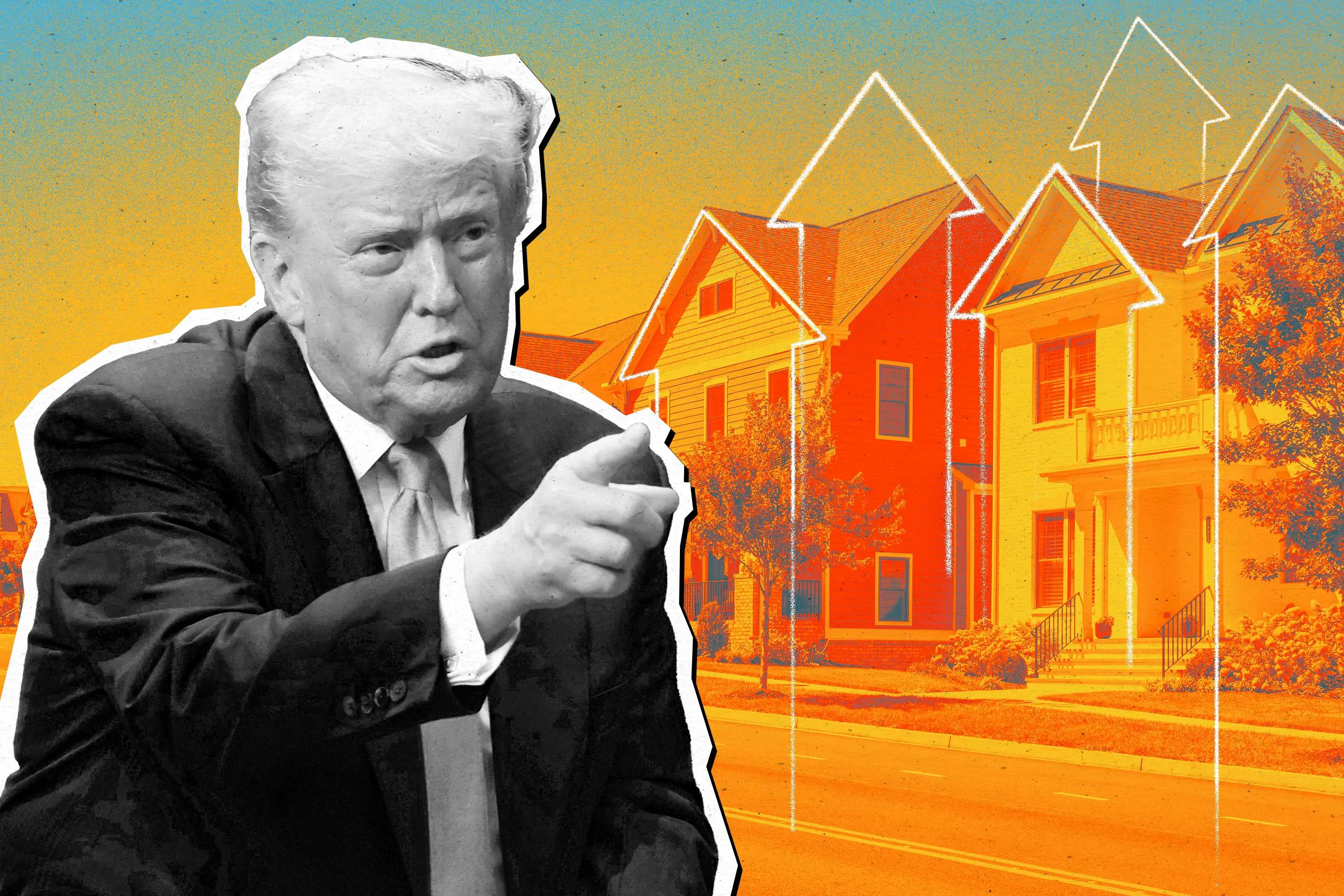
President Donald Trump recently sparked a debate among real estate experts with a proposal to introduce 50-year mortgages as a means to improve housing affordability, particularly for first-time buyers grappling with high mortgage rates and soaring home prices. The idea behind extending mortgage terms by an additional 20 years is to reduce monthly payments to a level that is more manageable for prospective homeowners and to stimulate the sluggish housing market.
While the concept of a 50-year mortgage may appear enticing on the surface, experts caution that longer mortgage terms could pose significant risks for buyers in the long run. Ken Sisson, an associate broker at Coldwell Banker Realty in California, asserts that while lower monthly payments on an extended loan could potentially decrease overall monthly expenses and free up cash for other expenditures, a 50-year mortgage is not a panacea for improving housing affordability.
The Impact of 50-Year Mortgages on Monthly Payments
The primary argument in favor of extending mortgage repayment periods is that it could result in lower monthly mortgage payments. Lower payments could facilitate easier entry into the housing market for younger buyers and offer an opportunity for existing homeowners to refinance their loans.
For instance, a 30-year, $400,000 fixed-rate loan at 6.22%, which is Freddie Mac’s current national average, has a monthly payment of $2,455 (excluding taxes and insurance). Extending the same loan to 50 years at the same rate would yield a monthly payment of $2,171, translating to savings of nearly $300 per month.
However, the actual savings from a 50-year mortgage are likely to be less significant. Just as the interest rate on a 30-year mortgage is higher than that on a 15-year mortgage, the rate on a 50-year mortgage is expected to be higher than that on a 30-year mortgage. Assuming a rate difference of 0.70 percentage points, similar to the current gap between 30-year and 15-year mortgages, the monthly savings from a 50-year mortgage would be reduced to $79.
Even President Trump acknowledged the modest impact of a 50-year mortgage on savings during an appearance on Fox News’ The Ingraham Angle, stating that while it might help a little, it is not a significant factor. Joel Berner, a senior economist at Realtor.com, believes that borrowers who are on the cusp of loan approval may benefit the most from an extended loan term.
However, uncertainties surrounding the extent of potential savings raise questions about the accessibility of longer-term mortgages to prospective buyers. Additionally, the risks associated with committing to such an extended loan term could impact a larger segment of borrowers.
Potential Downsides of 50-Year Mortgages
Experts contend that there are inherent risks in relying solely on extended mortgage terms to address the challenges faced by buyers in today’s housing market. For instance, according to Berner, a 50-year loan does not tackle the underlying issues of insufficient housing inventory to meet demand or assist in lowering home prices.
As discussions on the feasibility and implications of 50-year mortgages continue, it remains to be seen whether this proposed solution will effectively address the pressing issue of housing affordability in the long term.
The debate surrounding the introduction of a 50-year mortgage term continues to spark discussions among experts in the real estate and finance industries. According to economist Berner, the potential increase in demand resulting from the adoption of this extended loan term could lead to heightened competition and subsequently drive home prices higher. However, he warns that this would essentially negate any savings for buyers, as the inflated prices would offset any initial benefits.
One of the key concerns raised by critics is the impact on homeownership and the accumulation of home equity over time. An analysis by Realtor.com suggests that after a 10-year period, a borrower with a traditional 30-year mortgage would have built up a 24% equity stake in their home. This equity could be utilized to eliminate private mortgage insurance, refinance the loan, or secure a home equity loan. In contrast, a borrower with a 50-year loan would only have a 14% equity stake after the same time frame, limiting their options for financial flexibility.
Additionally, the extended loan term would result in a higher total interest paid over the lifetime of the loan. Some estimates indicate that the amount of interest paid on a 50-year mortgage could be double that of a shorter loan. This increased interest cost, combined with the slower pace of principal repayment, could leave homeowners vulnerable in the event of a market downturn. With home values decreasing, properties financed with a 50-year loan could potentially become underwater, leaving owners with limited recourse in times of financial hardship.
While proponents of the 50-year mortgage tout its potential to address housing affordability issues, critics like Sisson emphasize that the concept is more about deferring payment of the principal balance rather than true savings. The trade-off for a lower monthly payment is a significantly higher overall cost in interest payments over the extended loan term.
In conclusion, the debate over the viability of a 50-year mortgage underscores the complex trade-offs involved in balancing affordability and long-term financial security for homeowners. As discussions continue, it is crucial for prospective buyers to weigh the potential benefits and drawbacks of such an extended loan term before committing to a mortgage agreement.