With court’s tariff ruling, businesses could soon be owed refunds. Here’s what to know.
American businesses may be entitled to significant refunds for tariffs they paid on foreign goods, potentially totaling tens of billions of dollars. U.S. Customs and Border Protection has collected over $200 billion in tariff revenue from American businesses of all sizes from October through August 24, with more than $70 billion coming from payments of country-based tariffs that a federal appeals court recently deemed as unauthorized.
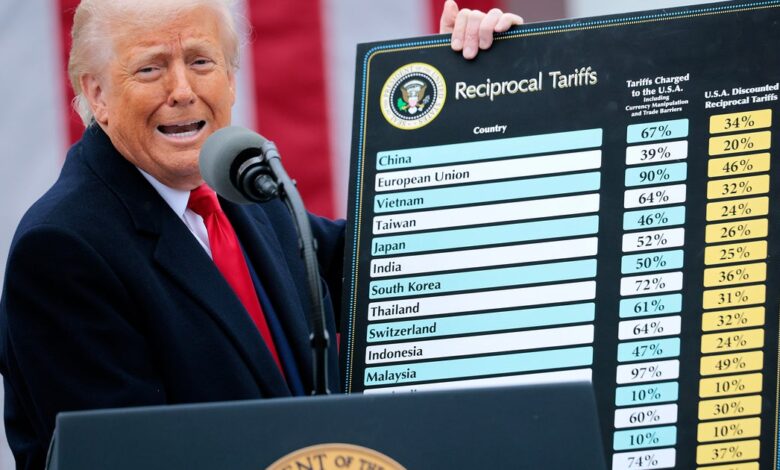
The court’s ruling on Friday declared that President Trump unlawfully utilized the International Emergency Economic Powers Act (IEEPA) to impose tariffs of up to 145% on numerous U.S. trade partners. While industry-specific tariffs like those on steel and aluminum remain unaffected, the decision has raised questions about the possibility of refunds for businesses impacted by the country-based levies.
President Trump has appealed to the Supreme Court to review the federal appeals court’s decision before it goes into effect on October 14, creating uncertainty for businesses trying to navigate pricing strategies amidst the ongoing tariff disputes. Supply chain experts emphasize the challenges of balancing cost increases due to tariffs with the risk of losing customers.
If the Supreme Court upholds the ruling, the U.S. government could be obligated to refund billions in tariff revenue to businesses. However, experts caution that the process of obtaining refunds may not be straightforward. Felicia Pullam, a former executive director at U.S. Customs and Border Protection, suggests that Customs should implement a refund process to streamline reimbursements for affected companies.
Ted Murphy, a trade and advocacy expert, outlines three potential methods for administering refunds to businesses. The government could automatically refund levy amounts paid, limit refunds to plaintiffs who filed suit against the tariffs, or require parties seeking refunds to submit reimbursement requests. The most likely scenario, according to Murphy, involves the government refunding duties to parties who apply for reimbursement.
Historical precedent exists for the government reimbursing businesses for unlawful tariff payments, as seen in a 1998 Supreme Court decision that resulted in over a billion dollars in refunds to companies. However, the process for issuing refunds remains uncertain, depending on the administration’s decision-making. Large refunds could impact the Treasury’s finances, prompting potential adjustments in bill supply to secure additional funds.
As the situation unfolds, businesses await clarity on the refund process while the Trump administration considers alternative emergency powers to maintain effective tariff rates. The potential implications of refunds and the government’s response to the court’s ruling underscore the complexity of navigating trade policies and their financial repercussions for American businesses.