With food stamps set to dry up Nov. 1, SNAP recipients say they fear what’s next
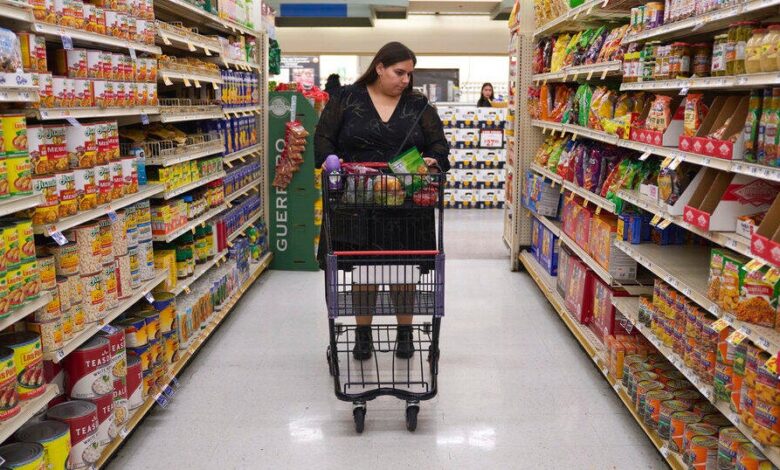
The abrupt halt in food aid for roughly 42 million Americans on SNAP benefits is causing widespread concern and uncertainty as the U.S. government shutdown continues. With the potential suspension of November benefits looming, families are facing tough financial choices and the prospect of not being able to put food on the table.
Kasey McBlais, a single mom from Maine, is already planning to prioritize which bills to pay in order to ensure her children have enough to eat. She, like many others, relies on the $600 in monthly SNAP benefits to feed her family. The U.S. Department of Agriculture has warned that there will be insufficient funding to pay full benefits if the shutdown persists, leaving recipients in a precarious situation.
The impact of the SNAP suspension extends beyond just the recipients themselves. It could have broader economic implications, affecting local businesses that rely on SNAP benefits to support spending and growth. Additionally, the loss of funding threatens some of the most vulnerable members of society, including children, seniors, and people with disabilities.
In response to the looming crisis, some states have vowed to continue disbursing benefits, while others are exploring emergency food assistance options. However, the viability of these measures remains uncertain, as the USDA memo stipulates that states won’t be reimbursed for providing temporary aid.
As the shutdown drags on, the need for a resolution becomes more urgent. Families like Sharlene Sutton’s in Massachusetts are left wondering where they will get food from if their benefits are cut off. The impact of the SNAP suspension is not just a political issue, but a humanitarian one, as families across the country struggle to put food on the table in an already challenging economic climate.
It’s clear that the consequences of the government shutdown are far-reaching, affecting not just SNAP recipients, but also local businesses, food banks, and the overall economy. As the shutdown persists, the need for a resolution becomes more urgent to ensure that families can continue to access the food assistance they rely on to survive.