Workers fired, placed on leave for Charlie Kirk comments after assassination
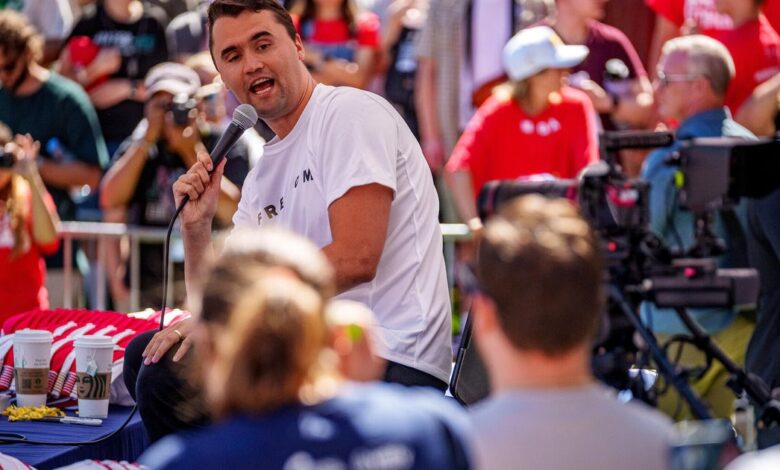
The tragic killing of Charlie Kirk has sparked a heated debate about political violence in the United States. The aftermath of Kirk’s assassination has also shed light on the professional repercussions that employees may face for speaking out about the conservative activist’s death and related issues.
A wave of firings and sanctions has swept across various industries and organizations this week, as individuals faced consequences for their public remarks about Kirk. From a political pundit to a university employee, a sports reporter, and even a U.S. Secret Service agent, several individuals found themselves out of a job or facing disciplinary action due to their comments.
Legal experts point out that private employers have the right to terminate employees for public statements that are deemed harmful to the company’s reputation, violate workplace policies, or disrupt business operations. Workplace attorney Marjorie Mesidor emphasized that companies can take action against employees, even for political comments, that may have a negative impact on the organization.
Vanessa Matsis-McCready, Vice President of Human Resources for Engage PEO, highlighted the importance of high-profile individuals being cautious with their public statements on politically charged issues. In today’s climate, employers are keen on maintaining an apolitical stance and avoiding any controversial associations.
The repercussions of speaking out about Kirk’s death were evident in various sectors. A sports reporter at PHNX Sports was fired after making controversial remarks on social media, while MSNBC parted ways with analyst Matthew Dowd for comments made during a broadcast. Washington Post columnist Karen Attia also found herself dismissed after speaking out against political violence and racial double standards.
Additionally, Middle Tennessee State University, Nasdaq, the U.S. Secret Service, and United Airlines took action against employees who made inappropriate comments about Kirk. The swift responses from these organizations reflect a zero-tolerance policy towards politically motivated violence or justifications for such actions.
Legal protections for private sector employees regarding freedom of speech are limited, with most states lacking specific laws to safeguard individuals from being fired for their off-duty conduct, including political speech. At-will employment agreements allow employers to terminate employees for public comments that may harm the company’s reputation or cause customer backlash.
In conclusion, the aftermath of Charlie Kirk’s killing has brought to light the complexities of navigating free speech, workplace policies, and professional repercussions in today’s politically charged climate. The incidents serve as a reminder for individuals, especially those in high-profile positions, to exercise caution when expressing their views on sensitive and controversial issues.