Workplace mental health at risk as key federal agency faces cuts
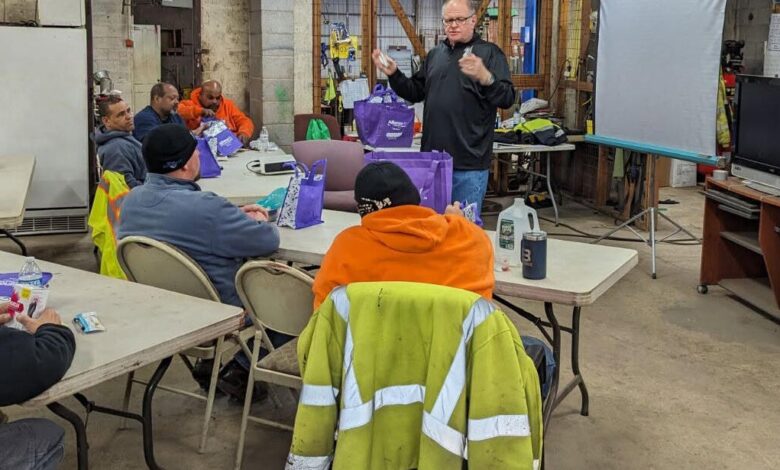
The workplace has become a crucial battleground for addressing mental health issues, ranging from addiction to suicide. Two initiatives in Connecticut and Pennsylvania, seemingly unrelated, have a common thread: they stem from the efforts of a lesser-known federal agency called the National Institute for Occupational Safety and Health (NIOSH).
In Connecticut, construction workers in the Local 478 union who complete addiction treatment are paired with a recovery coach for a year. This coach provides daily check-ins, attends recovery meetings, and assists in the workers’ return to work. Meanwhile, in Pennsylvania, doctors applying for credentials at Geisinger hospitals are no longer required to disclose intrusive details about their mental health care history, reducing the stigma surrounding clinicians seeking treatment.
NIOSH, a key federal agency leading workplace mental health initiatives, has made significant strides in addressing issues like high suicide rates among construction workers and burnout among healthcare professionals. However, the recent mass firing of NIOSH staff and proposed budget cuts by the Trump administration have put these efforts at risk.
Private industry and nonprofits may step in to fill the void left by NIOSH, but they lack the resources and prioritization of worker well-being that the federal agency provides. Research shows that workplace stress contributes to a significant number of deaths and health costs in the U.S. each year, emphasizing the importance of addressing mental health in the workplace.
NIOSH’s Total Worker Health approach, which integrates physical and mental health into occupational safety, has been instrumental in changing attitudes towards mental health in the workplace. Initiatives like the Miner Health Program and recovery coaching programs have helped reduce the stigma surrounding mental health issues in industries like construction and mining.
However, with NIOSH facing staffing reductions and budget cuts, the future of these mental health initiatives is uncertain. Researchers like Natalie Schwatka, who received a NIOSH grant to develop a toolkit for improving worker safety and mental health, fear that without federal support, progress in this area will be stunted.
In the healthcare sector, NIOSH’s efforts to address addiction and suicide risk among clinicians have been crucial. A recent survey found high rates of burnout and intentions to leave the profession among healthcare workers, prompting NIOSH to declare a mental health crisis. The agency received funding to create a national campaign to improve the mental health of healthcare workers, providing resources and guidance for hospital leaders and employees.
Despite the challenges posed by NIOSH cuts, industry professionals like TJ Lyons remain optimistic about prioritizing workplace mental health. Many companies have already incorporated mental health support into their practices, demonstrating a commitment to employee well-being.
However, concerns remain about the ability of private industry to replace NIOSH’s research and credibility in addressing workplace mental health. Without federal attention and resources, workers’ health and safety could be at risk, underscoring the need for continued federal support in this critical area.