World Health Organization Recommends GLP-1 Drugs Like Ozempic For Obesity. Here’s What To Know
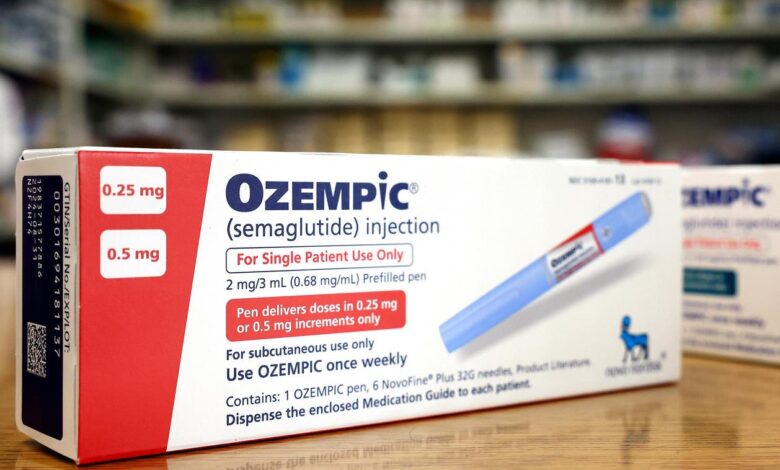
The World Health Organization has recently issued global guidance on the use of GLP-1 drugs for the treatment of obesity, marking a significant milestone in the fight against this chronic condition that affects over a billion people worldwide. Obesity is closely linked to various adverse medical conditions such as heart disease, stroke, high blood pressure, and several types of cancer. GLP-1 drugs like Ozempic and Wegovy have emerged as highly effective treatments, with the potential to reduce body weight by up to 20%.
One of the key benefits of these drugs is their ability to not only aid in weight loss but also reduce the risk of heart attack, stroke, and death by 20% after three years of treatment. This cardiovascular benefit is seen regardless of the patient’s starting weight or the amount of weight lost. However, despite their effectiveness, there are some safety concerns associated with these drugs. While they are generally well-tolerated, they can cause mild side effects such as nausea, vomiting, diarrhea, and constipation. More serious side effects like pancreatitis, gallbladder issues, and even thyroid cancer have been reported in rare cases, highlighting the need for more long-term safety data.
The WHO guidelines stress that while GLP-1 drugs are a valuable tool in combating obesity, they are not a standalone solution. Obesity is a complex disease that requires a holistic approach to treatment, including proper nutrition, physical activity, and counseling. Policy-level changes are also needed to address factors like food insecurity and lack of access to exercise facilities, especially for low-income individuals and families.
One of the main concerns raised by the WHO is the issue of equity and accessibility. Despite the effectiveness of GLP-1 drugs, they may not be accessible to everyone, particularly in middle- and low-income countries where 70% of individuals with obesity reside. The high cost of these medications could create barriers to access, widening health disparities between the wealthy and the poor. The WHO recommends strategies such as tiered pricing and voluntary licensing to increase access to these drugs and ensure that they reach those who need them most.
In conclusion, the WHO’s endorsement of obesity medications like GLP-1 drugs offers hope to those struggling with this chronic condition. However, the endorsement comes with conditions, highlighting the need for further research on safety and a focus on addressing issues of equity and accessibility. By taking a comprehensive approach to obesity treatment and addressing these concerns, we can work towards a healthier future for all individuals affected by this global epidemic.