Would A New Diagnosis Of Profound Autism Help Autistic People?
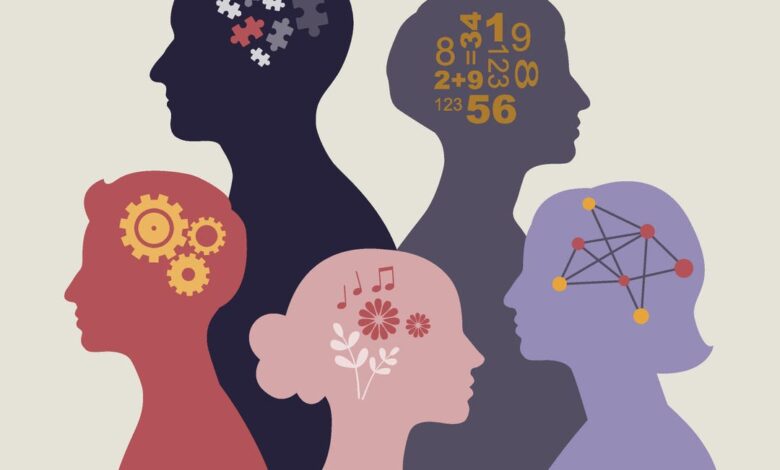
The debate within the autism advocacy community continues over whether adding a profound autism subtype will provide better support for the most vulnerable autistic individuals. Since 2013, autism diagnoses have been consolidated under one category, Autism Spectrum Disorder, with varying severity levels based on support needs. While this change has led to increased awareness and services for individuals with less obvious presentations, concerns have been raised about those with profound needs being overlooked.
Parents of autistic individuals who require exceptional levels of care feel that without a distinct profound autism subtype, their loved ones are excluded from vital research, services, and policy discussions. On the other hand, autistic self-advocates emphasize the importance of unity within the autism community to ensure that all individuals, regardless of their abilities, are represented and supported.
The evolution of autism classification has been a complex journey, with previous diagnostic manuals offering multiple categories for autism before consolidating into one diagnosis in the DSM-V in 2013. The decision to unify autism under one umbrella term was driven by the clinical overlap observed among different subtypes, making it challenging to distinguish between them accurately.
Autism parent advocates, such as Alison Singer, founder of the Autism Science Foundation, have highlighted the experiences of exclusion faced by individuals with profound autism. Singer believes that creating a profound autism subtype could lead to targeted research and interventions specifically tailored to meet the unique needs of this population. However, some autistic self-advocates, like Dr. Mary Doherty of Autistic Doctors International, argue against splitting the autism diagnosis, emphasizing the shared experiences and challenges faced by all individuals on the spectrum.
Research into autism has often overlooked individuals with the highest support needs, leaving many families desperate for answers about the underlying biology of their loved ones’ conditions. Singer advocates for the adoption of the term profound autism to address this research imbalance, while also acknowledging recent legislative efforts in the U.S. to promote inclusive research practices across the entire autism spectrum.
The concept of profound autism raises questions about how we define intelligence and communication abilities in individuals with diverse neurodivergent profiles. Stories like that of Jason Arday, a professor who did not speak until later in life, challenge traditional notions of intellectual disability and remind us of the complexities of categorizing autism. Autistic individuals like Jason Jacoby Lee caution against labeling people as “low-functioning” or “profoundly autistic,” as these labels can perpetuate misunderstandings and limit individuals’ potential for growth and development.
Ultimately, the goal of the autism community is to protect and support all individuals on the spectrum, regardless of their abilities or support needs. By fostering a more inclusive and understanding environment, we can ensure that every autistic individual receives the care, support, and opportunities they deserve.